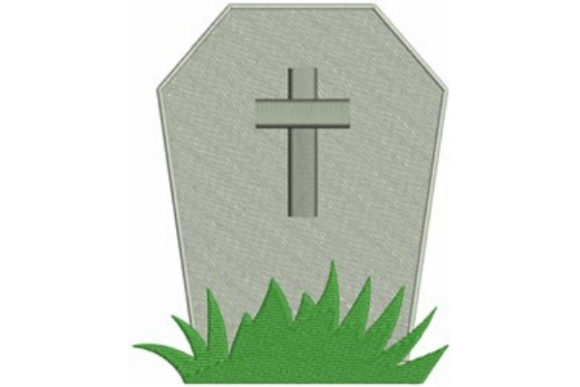
Tomb Embroidery Design: A Craft Fair Seller’s Review
As an embroidery designer who has spent years behind a machine and at craft fair booths, I’ve learned to evaluate a design not just for its aesthetic appeal but for its real-world sellability. When I first looked at the Tomb machine embroidery design, I immediately recognized its potential for the remembrance market. The description promises a high-quality embroidery that will look great on any fabric, and from a designer’s perspective, that versatility is key. But before you load this embroidery file into your machine and start stitching tote bags for your next weekend market, let me walk you through what I see as its strengths, its practical considerations, and exactly how to make it work for your handmade product lineup.
First Impressions: The Mood and Market Fit of Tomb
Right away, the Tomb design leans into a sentimental, reflective mood. It’s not bold or flashy; it’s understated and elegant in a way that suits memorial pieces, sympathy gifts, or even heritage-inspired decor. The name suggests a classic, perhaps slightly gothic or old-world feel, but the description calls it “lovely,” which tells me the detail is refined rather than stark. For a craft fair product, this is a strong selling point—customers looking for remembrance items often want something tasteful that doesn’t scream “funeral.” This design could easily be stitched onto a pillow cover, a fabric pouch, or a tea towel as a quiet tribute.
In terms of market fit, Tomb sits squarely in the remembrance category, but it also has crossover potential for Halloween, historical reenactment, or even vintage-inspired home decor. If you’re an Etsy seller or a small shop owner, you can list it as a sympathy gift, a memorial keepsake, or a decorative piece for October. The key is how you present it in your booth and online listings. A well-photographed tote bag with this design can draw in customers who are looking for something meaningful and handmade.
How Tomb Performs on Different Products
I’ve tested dozens of designs across various blanks, and Tomb is the kind of machine embroidery design that rewards careful product selection. Here’s my breakdown of where it shines and where it might need extra thought:
- Tote bags and market bags: This is a natural fit. A medium-sized Tomb design centered on a canvas tote bag creates a beautiful, giftable item. The design’s moderate stitch density means it will hold up well on sturdy fabric. I recommend using a cutaway stabilizer to prevent distortion on heavier tote bags.
- Apron embroidery: For a craft fair, an apron with Tomb embroidered on the bib or pocket sells well to customers who love cooking or gardening. The design’s vertical orientation (assuming it’s a tombstone or similar shape) works nicely on an apron front.
- Tea towel embroidery: Tea towels are a staple for handmade sellers. Tomb on a linen or cotton towel adds a touch of elegance. Just be cautious with stitch density—if the design is too dense, it can pucker on lightweight fabric. A stabilizer topper helps.
- Embroidered patches: This is a low-cost, high-margin product. You can stitch Tomb on twill or felt, cut it out, and sell as iron-on patches. Customers love patches for personalizing jackets, bags, or jeans. The design should be clear even at a smaller size—check the embroidery file for minimum size recommendations.
- Caps and hats: Curved surfaces can be tricky. If you decide to embroider Tomb on a cap, use a cap frame and a lightweight stabilizer. The design’s detail may get lost if it’s too small or too dense. I advise testing on a spare cap first.
- Small pouches and zip bags: These are great for quick sales. A small pouch with Tomb makes a perfect sympathy gift or a special treat for a gothic aesthetic. The design should be resized proportionally to fit the pouch front.
- Pillow covers: A pillow with Tomb embroidered on the front is a striking display piece. It’s a higher-ticket item that feels premium. Use a tear-away stabilizer and a sharp needle to maintain clarity on cotton or linen pillow covers.
For your booth, I recommend creating at least three product variations: a tote bag, a tea towel, and a patch. This shows customers the design’s versatility and gives them options at different price points.
Practical Selling and Production Points
When you’re preparing for a craft fair, every design decision affects your bottom line. Here’s what I’ve learned about Tomb from a selling perspective:
- Ease of understanding: The design is instantly recognizable as a tomb or memorial motif. Customers don’t need to study it—they get it at a glance. That’s crucial for booth traffic where people walk by quickly.
- Size versatility: Tomb works as a small accent (e.g., on a pouch corner) or a large focal design (e.g., center of a tote bag). Check the embroidery file’s original hoop size; if it’s designed for a 4x4 hoop, consider upscaling carefully for larger products. I always recommend testing at different sizes to ensure details don’t blur.
- Photography for online listings: This design photographs well because of its clear silhouette. On a light background, the stitches pop. For Etsy listings, use a printable mockup first to save time, but always create a real finished product for the best photos. Natural light enhances the texture of the embroidery.
- Batch production: If you’re making multiple units for a craft fair, Tomb is repeatable. Its stitch count (check the specific file) likely isn’t excessive, so you can stitch several in a row without thread changes taking too long. Use a reliable stabilizer and consistent tension to keep quality uniform.
Careful-Use Notes for This Embroidery Design
No design is perfect for every situation, and Tomb has a few areas where you need to pay attention. Here are my notes from testing similar remembrance designs:
- Dense stitch areas: If the design has heavy fill stitching, it can cause fabric distortion, especially on lightweight materials. Use a medium-weight cutaway stabilizer and reduce the stitch density in your software if possible. Always test on a scrap of the actual fabric first.
- Tiny details and small lettering: If the Tomb design includes text or fine lines, those elements may not stitch cleanly at small sizes. Avoid shrinking the design below 2 inches in height unless you’ve confirmed the details are visible. On caps or small pouches, consider a simplified version.
- Thick fabric and textured towels: On thick canvas or terry cloth, the needle may struggle to penetrate consistently. Use a sharp needle (size 75/11 or 80/12) and a stabilizer that won’t stretch. For tea towels, a water-soluble topper keeps the stitch definition crisp.
- Curved cap surfaces: As mentioned, caps are challenging. The design may need to be split or re-digitized for a curved surface. If you’re not experienced with cap embroidery, stick to flat products for safety.
- Dark fabric contrast: Tomb will show best on light or medium-colored fabrics. If you want to stitch on dark fabric (like black or navy), use a white or light-colored thread for contrast. Test the thread colors against the fabric before committing to production.
Visual Appeal, Customer Attention, and Brand Consistency
At a craft fair, your booth display needs to grab attention. Tomb has a quiet, dignified look that appeals to customers seeking remembrance items. I’ve found that these customers often take their time browsing, so having a well-lit display with the design on a tote bag or pillow can stop them in their tracks. The design’s understated elegance also helps maintain brand consistency if you sell a range of sympathy or memorial products. If you have other designs in the same category, use similar thread colors and placement to create a cohesive collection.
Customer engagement increases when you can tell a story. Explain that this is a machine embroidery design you carefully selected for its quality and meaning. Show them the finished product, and let them feel the texture of the stitches. The tactile nature of embroidery is a huge selling point—it signals handmade quality and durability. When customers see the precise stitching on Tomb, they perceive higher value, which justifies a premium price.
Embroidery Designer Notes Before Production
Before you start stitching Tomb for your craft fair or Etsy shop, follow these practical steps from my own workflow:
- Test the design on scrap fabric. Use the exact fabric you plan to sell (e.g., canvas, linen, cotton twill). This catches any thread breaks, tension issues, or design flaws.
- Check thread contrast. Hold the chosen thread colors against the fabric. Dark thread on light fabric is classic, but consider using a metallic or variegated thread for a premium look if the design allows.
- Review spacing and sizing. Hoop size matters. If the design is too large for your hoop, you’ll need to resize or reposition. Also, confirm that the design’s elements don’t crowd the edges of your product.
- Inspect stitch density. Open the embroidery file in your software and look for areas with high density. Reduce if needed to prevent fabric puckering. A density of 4-5 stitches per mm is usually safe for medium-weight fabrics.
- Use the right stabilizer. Cutaway stabilizer for stretchy or woven fabrics, tear-away for stable wovens, and a water-soluble topper for napped fabrics like towels.
- Create at least one real mockup. Don’t rely solely on digital mockups. Stitch the design on a product you’ll display at the booth. This gives you a sample to photograph and a physical item to show customers.
- Compare fabric colors. Order fabric swatches or use what you have. The design should look balanced on both light and medium tones. If you plan to offer multiple colors, test each one.
- Confirm commercial licensing. Before selling finished products, ensure the embroidery file you purchased includes a commercial use license. Many digital embroidery file sellers offer this, but double-check the terms. You don’t want to infringe on copyright.
By following these steps, you’ll avoid production headaches and ensure that every Tomb product you make is booth-ready. This design has the potential to be a steady seller in the remembrance category, especially if you pair it with thoughtful packaging and a heartfelt product description. Whether you’re an experienced craft fair vendor or a new Etsy seller, adding Tomb to your lineup can bring a touch of elegance and meaning that customers will remember long after the market ends.