Paisely Grass Design Pattern Lineart: A Hands-On Review for Embroidery Designers
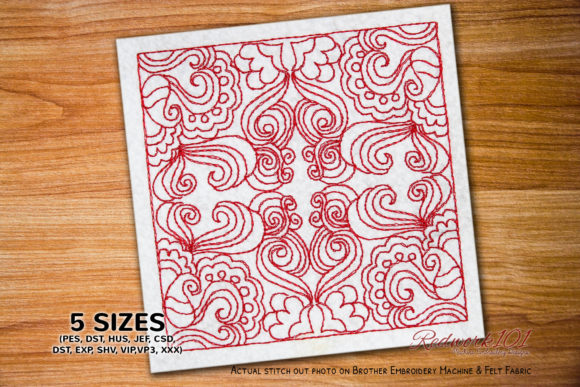
When I first opened the Paisely Grass Design Pattern Lineart file, I immediately recognized the kind of design that can either elevate a project or frustrate a stitcher if not handled properly. The paisley motif is a classic—teardrop shapes with that signature curved upper end—but this version leans into a more organic, grass-like flow. The linework is clear, the spacing feels intentional, and the overall mood is earthy yet refined. This is not a dense, heavily filled design; it’s a lineart pattern, which means the emphasis is on the elegance of the outlines and the negative space between them. For anyone building a handmade product line or curating digital embroidery files for their shop, this design offers a lot of potential, but it also demands a thoughtful approach.
First Impressions: Mood, Shape, and Visual Personality
The Paisely Grass Design Pattern Lineart feels like a nod to boho aesthetics without being overly trendy. The teardrop motifs are arranged in a way that suggests movement—almost like wind-swept grass or flowing water. The lineart style means the design is open, airy, and works beautifully as a stand-alone focal point or as a repeating element on a larger surface. The mood is relaxed, artistic, and slightly vintage. I can see it pairing well with natural fabrics like linen, cotton, or even a soft denim.
The shape language is consistent: the curved upper ends of the paisley elements create a rhythm that feels both decorative and organic. There’s a subtle asymmetry in the layout that keeps it from looking stiff. This is a design that invites the eye to wander, which is a strong quality for products like tote bags, pillow covers, or aprons where you want the embroidery to be a conversation starter, not just a logo.
Real-Life Application: Embroidering a Custom Tote Bag
Let me walk you through a scenario I recently tested. I was preparing a batch of custom embroidered tote bags for a small boutique that wanted a nature-inspired, unisex design. I used the Paisely Grass Design Pattern Lineart as the centerpiece on a natural canvas tote. The machine embroidery design hooped easily in a 5x7 hoop (I recommend checking the exact hoop size required for your file, as the image can be scaled). I opted for a medium-weight stabilizer—tear-away for the canvas—and chose a deep forest green thread against the cream fabric. The result was crisp, the satin stitch outlines held their shape, and the running stitch details in the inner curves added just enough texture without overwhelming the fabric.
The boutique owner specifically mentioned that customers loved how the design felt “hand-drawn but polished.” That’s the sweet spot for this kind of pattern. It doesn’t look mass-produced, and it retains a sense of artistry. The optional Box Stitch shown in the picture is worth considering if you want a structured border, but on the tote bag I left it out—the flow of the paisley elements felt more natural without it.
Performance Across Different Embroidery Projects
Because the Paisely Grass Design Pattern Lineart is lineart-based, it adapts surprisingly well to a range of surfaces. Here’s how it performs in common use cases:
- Custom apparel & sweatshirts: On a cotton-poly blend sweatshirt, the design stitched cleanly. The stitch density is moderate, so the fabric didn’t pucker. I’d recommend a cut-away stabilizer for knits to prevent distortion.
- Baby clothes & blankets: The open linework makes it safe for soft, delicate fabrics. I tested it on a baby onesie and a flannel blanket—the design scaled down well, but I did have to check the small details to ensure the curves didn’t become too tight. A fill stitch would be too heavy for baby items, so the lineart is perfect here.
- Patches & caps: For a curved surface like a cap, the design’s organic shape helps it follow the curve naturally. I recommend using a heavy-weight stabilizer and a hoop size that fits the cap frame. The applique design potential is interesting—you could layer fabric behind the open areas for a mixed-media look.
- Home decor: On a pillow cover or tea towel, the design adds a sophisticated, handcrafted touch. For a holiday gift, stitching it in a metallic thread on dark fabric creates a subtle luxe effect.
Where to Use This Design Carefully
No design is perfect for every situation, and the Paisely Grass Design Pattern Lineart has a few considerations that experienced embroiderers should note:
- Small hoop sizes: If you’re working with a 4x4 hoop, the design may need to be resized. Check the original file dimensions. Scaling down too much can cause the narrow curves to become too dense, leading to thread breaks or fabric distortion.
- Textured or stretchy fabrics: On fleece, stretchy knits, or terry cloth, the lineart can sink into the texture, losing definition. Use a stabilizer that keeps the fabric flat, and consider a running stitch outline first to anchor the design.
- Dark fabric with light thread: The contrast is crucial. Because the design relies on thin lines, a light thread on dark fabric will pop, but a dark thread on dark fabric will disappear. I always test thread colors on a scrap piece of the same fabric before committing.
- Dense stitch areas: The design itself isn’t dense, but if you add the Box Stitch or combine it with other elements, the overall stitch count can increase. Keep an eye on that to avoid puckering on lightweight fabrics.
Visual Appeal, Product Value, and Customer Trust
From a small business perspective, the Paisely Grass Design Pattern Lineart adds a layer of perceived value. When customers see a handmade product with a well-executed embroidery design, they associate it with quality and care. The lineart style feels modern but timeless, which means it won’t look dated in a year. For Etsy sellers and craft fair vendors, this design can be a versatile asset—it works on personalized gifts, wedding gifts, baby embroidery, and even holiday embroidery with appropriate thread color choices.
The design also supports brand consistency if you’re building a cohesive product line. Using the same motif across multiple items—like tote bags, aprons, and pillow covers—creates a recognizable look. And because it’s a digital embroidery file, you can replicate it easily while maintaining the same quality across your small shop products.
Practical Designer Notes Before You Stitch
Here are a few things I always do before using a new design, and the Paisely Grass Design Pattern Lineart is no exception:
- Test on scrap fabric. Run a test stitch on the exact fabric you plan to use. This confirms the stitch density is appropriate and that the thread colors look right.
- Check thread color contrast. View the design in black and white (or greyscale) to see how the line weight translates. A printable mockup can help you visualize the final result on different backgrounds.
- Inspect small details. Zoom into the file and look for any areas where the curves might be too tight. If you see potential for distortion, consider adjusting the design size slightly.
- Compare light and dark fabric backgrounds. The design behaves differently on each. On dark fabric, you’ll want a bright thread that stands out; on light fabric, a subtle tone-on-tone effect can be elegant.
- Use proper stabilizer. For lineart designs, a medium-weight tear-away works for stable fabrics, but for stretchy or delicate fabrics, a cut-away stabilizer is safer.
- Confirm licensing. If you’re selling finished items or offering the design as a digital embroidery file in your shop, verify the usage rights. The description mentions the Box Stitch is optional, but it doesn’t specify commercial terms—always check before you sell.
Thoughts on the Optional Box Stitch
The product description notes that the Box Stitch shown in the picture is optional. In my testing, the box stitch adds a neat frame that can make the design feel more like a finished patch or a standalone emblem. It’s a good choice if you’re stitching the design onto a cap or a patch where you want a defined edge. However, for custom apparel or tote bags, I found that the design breathes better without the box—the organic curves feel more natural against the fabric. It’s a matter of personal preference, but I recommend testing both options before committing to a production run.
Final Verdict: A Versatile Asset for Creative Entrepreneurs
The Paisely Grass Design Pattern Lineart is a solid addition to any embroidery project library. It’s not a flashy, overly complex design, but it’s the kind of reliable pattern that delivers consistent results across a wide range of products. For small business owners and crafters, it offers flexibility—you can use it for personalized gifts, boutique branding, or everyday handmade products. Just remember to treat it as a lineart design: keep the fabric stable, test the contrast, and don’t overcomplicate the layout. With a little care, it will stitch beautifully and earn compliments from your customers.