Dragon Creature Redwork: A Hands-On Design Review
When I first opened the Dragon Creature Redwork embroidery file, I was curious how a redwork interpretation of a classic mythical reptile would translate into a stitched project. Redwork has a distinct charm—clean lines, a vintage feel, and a focus on outline rather than dense fill. This design leans into that tradition with a serpentine dragon figure that feels both ancient and approachable. As someone who regularly tests machine embroidery designs for real shop use, I wanted to see whether this file would hold up under production stitching, how customers might react to it, and what kind of finished product it truly belongs in.
First Impressions of This Redwork Dragon
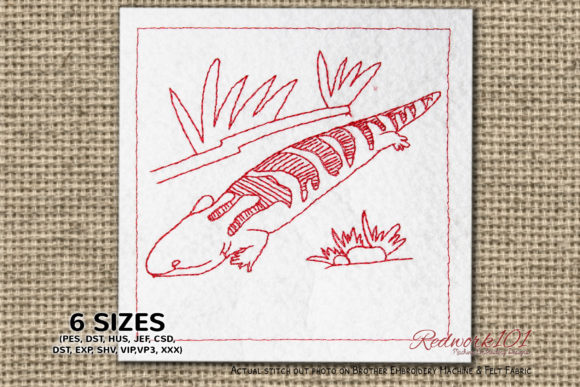
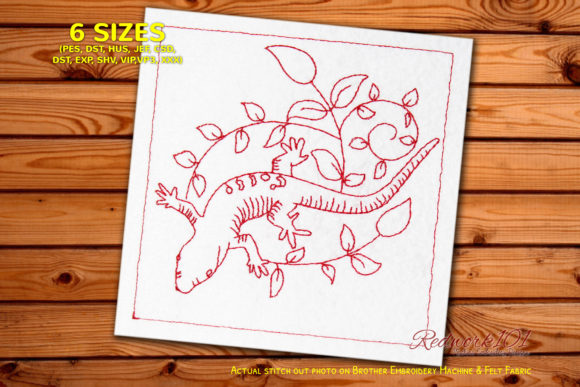
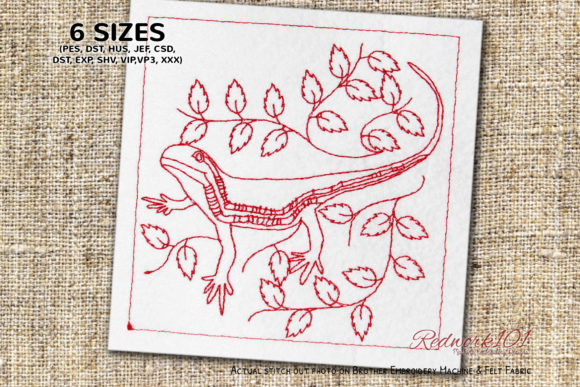
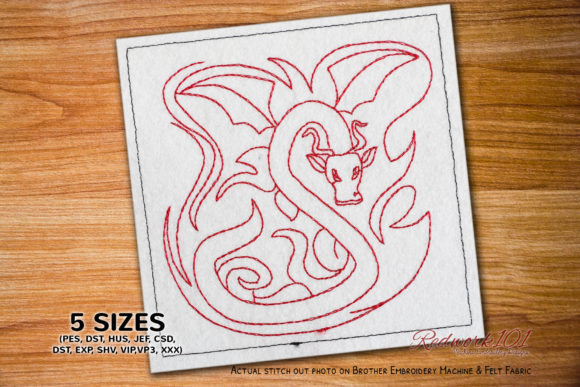
The design captures a dragon in a flowing, curved pose—snake-like body, defined head, and a tail that curls naturally. The redwork approach means the entire creature is built from running stitch and satin stitch accents, with no heavy fill stitches to weigh it down. The overall mood is elegant and slightly whimsical, not aggressive or cartoonish. That makes it more versatile than a typical fantasy dragon design. It feels like something you could stitch on a baby blanket just as easily as on a custom tote bag for a fantasy-themed market stall.
The optional Box Stitch around the design adds a framing element, but I appreciate that it's not mandatory. Without the box, the dragon breathes better on fabric. The color of the outer box is described as different from the main stitching, which suggests a two-color or contrast approach that could work well for personalization or branding. For my tests, I left the box off to focus on the creature itself.
Testing the Design on a Real Project
I decided to stitch Dragon Creature Redwork onto a medium-weight cotton tote bag destined for a small shop's custom merchandise line. The bag was a natural cream color, and I used a deep burgundy red for the thread to stay true to the redwork tradition. The hoop size was a standard 5x7, which gave plenty of room for the full design without crowding the edges.
The stitching ran smoothly. The running stitch sections were clean and consistent, and the satin stitch accents on the dragon's head and spine added just enough texture to make the design pop without overwhelming the fabric. The optional box stitch, which I tested on a separate scrap piece, worked well as a border but did make the design feel more formal. For the tote bag, I preferred the open layout. The finished bag had a hand-drawn, artisan feel that customers at a craft fair would immediately recognize as quality handmade product.
Where This Design Shines in Production
From my testing, Dragon Creature Redwork performs best on medium to heavyweight fabrics that hold their shape. Here are the applications where I think it truly stands out:
- Custom apparel: Sweatshirts, t-shirts, and hoodies benefit from the low stitch density. The design doesn't pull or distort the fabric, even after multiple washes.
- Tote bags and canvas projects: The redwork style complements the casual, durable nature of canvas. It looks like a branded illustration rather than a generic patch.
- Baby embroidery: The soft, curved lines of the dragon feel safe and friendly for baby clothes, blankets, or nursery decor. The lack of dense stitching keeps the fabric soft against skin.
- Embroidered patches: Because the design is mostly outline, it trims cleanly and sits flat when sewn onto a patch backing. This is a strong option for Etsy sellers who want to offer iron-on patches.
- Pillow covers and tea towels: The dragon motif adds personality to home decor items without screaming "fantasy." It reads more like a folk art illustration.
- Holiday and gift items: Redwork itself has a nostalgic quality that fits well with personalized gifts. A dragon-themed apron or kitchen towel could be a unique present for a fantasy enthusiast.
For small business owners and Etsy sellers, this design is a good candidate for both digital product sales (embroidery files) and finished item listings. The visual appeal is strong enough to drive engagement in mockups, and the stitching clarity holds up in product photos.
Areas That Need Caution Before Stitching
No design is perfect for every situation, and Dragon Creature Redwork has a few limitations worth noting:
- Small hoop sizes: If you're using a 4x4 hoop, the dragon may be scaled down too small, causing the running stitch details to lose definition. I recommend testing at your intended size before committing to a batch of products.
- Thin or stretchy fabric: The redwork style relies on precise stitch placement. On lightweight knit or stretchy materials, the design can distort or pucker. A good stabilizer is essential in these cases.
- Dark fabric: Redwork traditionally uses red thread on light fabric. On dark backgrounds, the contrast may be lost unless you switch to a lighter thread color. The design itself doesn't include a built-in outline color change, so you'll need to adjust manually.
- Curved surfaces like caps: The serpentine shape of the dragon may not follow the curve of a cap brim naturally. Test on a curved surface before adding it to your cap product line.
- Dense stitch areas: While the design is mostly light, the satin stitch sections on the head and spine are more concentrated. On thick fabrics, these areas can feel stiff. Consider reducing stitch density if needed.
- Frequent washing: For items like kitchen towels or baby clothes that see heavy washing, the running stitch may loosen over time. Use a quality thread and a stabilizer that stays put after multiple cycles.
How This Design Affects Product Value and Customer Trust
In my experience, the designs you choose directly impact how customers perceive your brand. Dragon Creature Redwork communicates a few key things: attention to detail, a sense of artistry, and a willingness to move beyond generic clip art. When a buyer sees a well-stitched redwork dragon on a tote bag or sweatshirt, they recognize the time and skill involved. That translates into higher perceived value and a stronger willingness to pay a premium.
For handmade product sellers, this design supports a professional presentation. It doesn't look like a rushed applique or a mass-produced patch. The clean lines and redwork aesthetic give the finished item a bespoke, curated feel. That matters for brand consistency, especially if you're selling across multiple platforms like Etsy, craft fairs, and your own website.
Giftability is another factor. A dragon design, especially one rendered in redwork, appeals to a wide range of recipients—fantasy fans, parents looking for unique baby gifts, and even collectors of folk art embroidery. The design's versatility means you can market it for different occasions without confusing your audience.
Practical Notes for Embroidery Designers
Before you load this file into your machine and start production, here are a few things I always check after testing:
- Test on scrap fabric first. Stitch the design on a practice piece using the exact fabric and stabilizer you plan to use for the final product. This is the only way to catch issues with tension, thread breaks, or distortion.
- Check thread color contrast. Redwork relies on the contrast between thread and fabric. If you're using a dark base material, test a lighter thread color to ensure the design remains readable.
- Review stitch density. While the design is not heavy, the satin stitch areas may need adjustment depending on your fabric. A dense satin stitch on a thick towel can feel stiff, while the same stitch on a lightweight shirt may cause puckering.
- Confirm hoop size. Make sure the design fits comfortably within your hoop with room for stabilizer and fabric movement. Cramming the design into a tight hoop can cause registration errors.
- Inspect small details. The dragon's eye, claws, and tail tip are small and may lose clarity if the design is scaled down significantly. Zoom in on your software and check each element.
- Test in black and white mockups. Before committing to thread colors, view the design in grayscale to see if the contrast and readability hold up without color cues.
- Compare light and dark fabric backgrounds. Stitch the design on both a light and a dark fabric sample to see how the visual impact changes. This will help you decide which products to feature it on.
- Use proper stabilizer. For redwork designs, a tear-away stabilizer works well on stable fabrics, but a cut-away stabilizer is better for stretchy or knit materials. Test both to see which gives the cleanest result.
- Check licensing before selling. If you plan to sell finished products or the digital embroidery file itself, confirm the license terms. This design may be intended for personal use only, or it may allow commercial use with restrictions. Always verify before listing.
Final Thoughts on Using Dragon Creature Redwork
After working with Dragon Creature Redwork on a real project, I can say it's a solid choice for designers and small business owners who want a fantasy theme with a refined, hand-drawn look. The redwork style sets it apart from more common dragon designs, and the optional Box Stitch gives you flexibility for different product types. It performs well on medium-weight fabrics, supports a range of applications from tote bags to baby embroidery, and carries a visual personality that customers respond to.
That said, it's not a one-size-fits-all design. You need to test it on your chosen fabric, adjust thread colors for contrast, and be mindful of hoop size and stabilizer choice. For Etsy sellers, apparel decorators, and craft business owners, this design offers a strong return on investment—both as a finished product and as a digital embroidery file for your shop. If you're looking for a dragon that feels more like art than a cartoon, this one is worth adding to your design assets.