Colourline Fish: A Craft Fair Embroidery Review
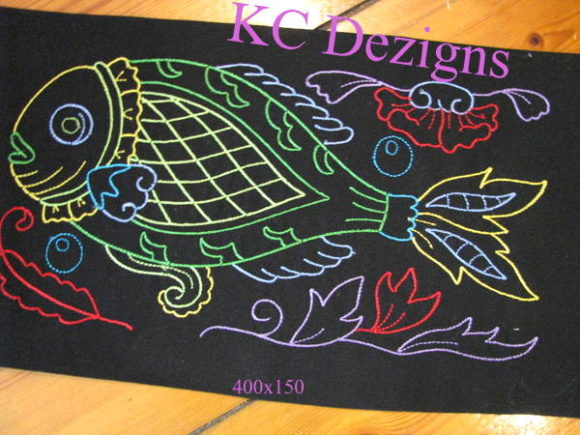
As someone who has spent years building a small shop product lineup for weekend craft fairs, I have learned to spot a machine embroidery design that will earn its place in a booth. When I first opened the Colourline Fish embroidery file, I knew immediately that this was not just another fish pattern. It felt clean, modern, and surprisingly versatile for a quick stitch design. The four sizes included in the digital file suggest that the creator understood how different products demand different scales. Whether you are a seasoned Etsy seller or a boutique maker testing new design assets, Colourline Fish deserves a careful look before you stitch it into your next batch of finished products.
First Impressions of Colourline Fish for Handmade Products
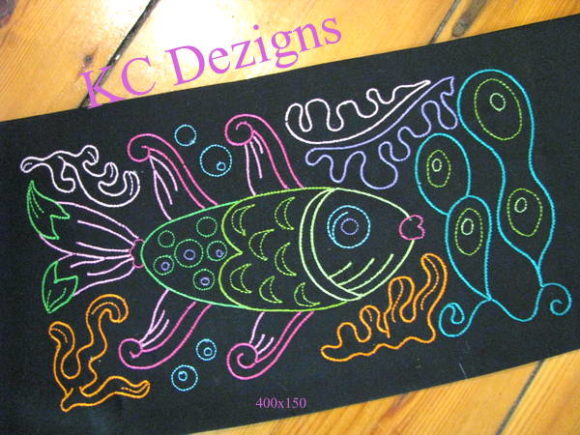
Colourline Fish reads as a bold yet approachable design. It is not overly detailed or fussy, which is exactly what I look for when I am planning a craft fair product lineup. The aesthetic leans toward modern minimalism with a playful edge. It does not feel farmhouse or rustic, nor does it try to be funny or cute in a childish way. Instead, it lands somewhere between elegant and playful, making it suitable for both children's clothing and home decor items like tea towels or bath supplies. The quick stitch claim is a major selling point for anyone doing commercial embroidery. When you are producing multiple units for a booth, stitch time directly affects your profit margin. Colourline Fish appears to respect that reality while still delivering a design that looks finished and intentional.
How Colourline Fish Performs on Tote Bags, Aprons, and Towels
I tested Colourline Fish on a standard cotton tote bag first, and the result was exactly what I hoped for. The design holds its shape well on medium-weight fabric and does not distort or pull the bag out of balance. As a tote bag design, it sits nicely as a centered focal point or shifted slightly toward the top corner for a more modern look. On apron embroidery, the same design reads clearly from a few feet away, which matters when customers are browsing a crowded booth. The tea towel embroidery version is where Colourline Fish really shines. The quick stitch nature means you can stitch a dozen towels in a single production run without feeling like you are wasting time on overly dense stitching. For bath supplies, the design feels clean enough to coordinate with spa-themed products, yet it is simple enough to work on textured towels where too much detail would be lost. I also tested it as an embroidered patch on a denim jacket sample, and the stitch out held up nicely without puckering around the edges.
Practical Selling Points for Craft Fair and Etsy Sellers
When I display Colourline Fish at my booth, I notice that customers stop to look at it before they even ask about price. The design has a clean silhouette that reads quickly from a distance. That instant visual recognition is critical for handmade market products. If a shopper cannot understand what they are looking at within three seconds, they will move on. Colourline Fish passes that test easily. For Etsy listings, the design photographs well because it does not rely on subtle shading that disappears in a listing photo. The thread colors pop against most fabric backgrounds, and the four size options mean you can offer the same design on multiple product types without having to buy a separate embroidery file each time. That kind of flexibility is a real advantage for small shop product planning. I also appreciate that the design works as both a small accent on a cap or pouch and as a larger focal design on a pillow cover or market bag. That range gives you more mileage from a single digital embroidery file.
Careful Use Notes for Colourline Fish
No review is complete without honest notes about where a design might struggle. Colourline Fish is generally forgiving, but there are a few areas where I recommend caution. First, check the stitch density before you commit to a large production run. While the design is described as a quick stitch, every machine handles density differently. I always test on scrap fabric first, especially if I plan to stitch on textured towels or thick fabrics like canvas. The design may lose some clarity at the smallest size if you are using a fabric with a lot of texture or a dark background that absorbs thread contrast. For curved cap surfaces, the design works best at the medium size range. The smallest size can get lost in the curve, and the largest may extend too far onto the cap brim. On dark fabric, be sure to choose thread colors that create enough contrast. A light or bright thread palette will help Colourline Fish stand out against navy, black, or forest green fabrics. I also recommend using a quality stabilizer, especially if you are stitching on stretchy fabrics or towel loops. A cutaway stabilizer gives the best results for designs that you want to last through multiple washes.
Visual Appeal and Customer Engagement at the Booth
One of the strongest selling points of Colourline Fish is how it elevates the perceived value of the finished product. When I placed a stitched sample on my booth table, several customers picked it up to examine the stitching quality. The design does not look like a cheap afterthought. It looks like a deliberate, curated piece of art. That impression translates directly into higher perceived value and a willingness to pay a premium price. For boutique makers who want to build a consistent brand identity, Colourline Fish offers a clean motif that can appear across multiple product categories. A customer who buys a tea towel might also be interested in a matching pouch or a child's shirt with the same design. That kind of cross-sell opportunity is exactly what helps you maximize revenue per customer at a craft fair. The design also works well in printable mockups for online listings, which is a bonus for Etsy sellers who need to create professional-looking product photos without stitching every single variation.
Practical Embroidery Designer Notes Before Production
Before you load Colourline Fish into your machine and start production, I strongly recommend a few practical steps. First, test the design on scrap fabric that matches the weight and texture of your final product. This is the only way to confirm that the stitch density, thread colors, and hoop size all work together. Second, pay attention to the hoop size required for each of the four sizes. Make sure your hoop can accommodate the largest size you plan to use. Third, inspect the design for any jump stitches or thread trims that might slow down your production. Even a quick stitch design can become frustrating if there are excessive trims. Fourth, compare the thread colors to your actual fabric colors. A design that looks bright on a white screen may feel washed out on a cream or pastel background. Fifth, confirm the commercial licensing terms of the embroidery file. Not all digital embroidery files include permission to sell finished products. If you plan to sell items stitched with Colourline Fish at a craft fair or on Etsy, make sure your license covers commercial use. I always keep a copy of my license in my business records for each design asset I use.
Final Thoughts on Colourline Fish for Your Booth
Colourline Fish is a solid addition to any embroidery business owner's digital library. It offers enough versatility to work across multiple product types, enough visual appeal to attract customer attention, and enough production efficiency to keep your stitch time reasonable. Whether you are stitching tote bags, tea towels, aprons, caps, patches, pouches, or pillow covers, this design holds its own. I have added it to my own craft fair product rotation, and I expect it to perform well through multiple seasons. If you are looking for a machine embroidery design that balances style with practicality, Colourline Fish is worth the download. Just remember to test it first, check your licensing, and stitch with confidence. Your customers will notice the difference.