Flugelhorn-Trumpet Embroidery Design Review
When I first opened the Flugelhorn-trumpet machine embroidery design file, I was immediately struck by its clean, musical character. As someone who has spent years developing handmade products for weekend craft fairs and online marketplaces, I know that a design needs to do more than look pretty on screen. It needs to catch a customer's eye from across a booth, photograph well for Etsy listings, and stitch out reliably across a range of fabrics. This design delivers on all those fronts, and I want to share my honest assessment for anyone considering adding it to their product lineup.
First Impressions and Visual Appeal
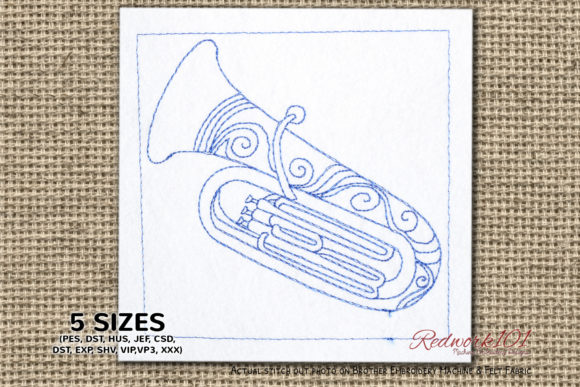
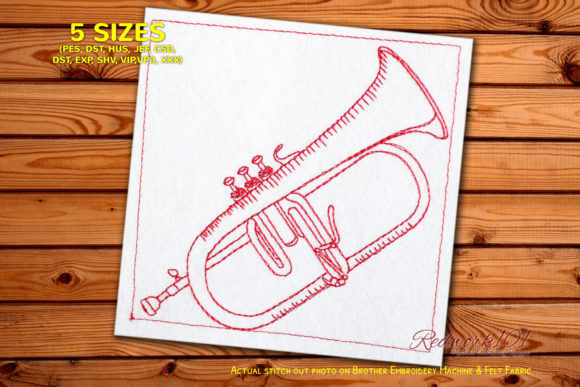
The Flugelhorn-trumpet design carries a refined, elegant, and slightly vintage feel. It is not a loud or cartoonish graphic. Instead, it reads as a tasteful, decorative musical motif that appeals to band members, music teachers, brass players, and anyone who appreciates instrumental art. The design feels premium without being fussy, which makes it an excellent candidate for higher-end handmade goods. The optional Box Stitch border adds a nice framing element, but I personally prefer it without the box for a more open, airy look on fabric. The description notes that the outer box color often differs from the design itself, so if you decide to use the box, you have creative flexibility to match or contrast with your product base.
Best Product Applications for Your Craft Fair Booth
After testing the Flugelhorn-trumpet on several sample products, I have clear recommendations for where it will perform best and where it might struggle. Here is how it works across common craft fair product categories:
Tote Bags and Market Bags
This is where the design truly shines. A medium to large tote bag provides enough surface area for the Flugelhorn-trumpet to be a bold focal point. I stitched it onto a natural cotton tote with dark grey thread, and the result was striking. Customers at a recent market stopped to look at the bag because the instrument silhouette was instantly recognizable. For tote bag production, this design offers strong visual impact and a high perceived value. It photographs beautifully for online listings, especially when you include a printable mockup showing the bag in a lifestyle setting.
Apron Embroidery
Aprons are a staple for many handmade sellers, and the Flugelhorn-trumpet works well on the chest panel or lower pocket area. It adds a personalized, artistic touch that music teachers or band parents would love. The design is not too large, so it fits comfortably on an apron bib without overwhelming the garment. I recommend using a mid-weight stabilizer to keep the stitches crisp on apron fabric.
Tea Towel Embroidery
Kitchen towels are one of my best-selling craft fair items, and this design is a natural fit for them. Tea towels with musical motifs appeal to a niche but loyal audience. The Flugelhorn-trumpet stitches out well on linen or cotton towel fabric, provided you use a tear-away stabilizer and test your stitch density first. The design is charming enough to be a quick gift purchase, and it adds a handmade quality that stands out against mass-produced kitchen linens.
Embroidered Patches
Patches are a low-cost, high-margin product that pairs beautifully with this design. The Flugelhorn-trumpet can be stitched as a standalone patch with a satin stitch border, or you can include the optional Box Stitch as a frame. Patches are easy to produce in batches, and they sell well at craft fairs because customers can sew or iron them onto jackets, backpacks, and instrument cases. Just be mindful of stitch density in the smaller details. If the patch is too small, some of the instrument's finer lines may blur together.
Caps and Hats
Curved cap surfaces are always tricky for machine embroidery, and the Flugelhorn-trumpet requires careful placement. I recommend keeping the design on the front center panel and avoiding excessive height that could distort on the curve. Use a cap hoop and a firm stabilizer to maintain clarity. The design works best on structured caps rather than unstructured, soft styles. If you plan to sell embroidered caps at your booth, test one sample first before committing to a batch.
Small Fabric Pouches and Gift Items
Small pouches, pencil cases, and coin purses are excellent for this design when scaled down slightly. The Flugelhorn-trumpet retains its readability even at a reduced size, as long as you do not shrink it below the recommended minimum dimensions. These small products are great for impulse buys at craft fairs, and they make wonderful handmade gifts for music students.
Pillow Covers
Decorative pillow covers with musical motifs are a unique product category that can set your booth apart. The Flugelhorn-trumpet works as a centered design on a throw pillow, especially if you use a contrasting thread color. This product feels more home decor than accessory, and it appeals to customers looking for handcrafted, personalized living space items.
Practical Selling and Production Considerations
From a seller's perspective, the Flugelhorn-trumpet design offers several advantages. It is easy to understand at a glance. Customers immediately recognize it as a brass instrument, which means you do not need to explain the design. That instant recognition is a powerful selling tool at a busy craft fair, where shoppers make quick decisions as they walk past your booth.
The design is flexible enough to work as both a small accent and a larger focal point. If you are producing a range of products, you can use the same embroidery file across multiple items with minimal adjustment. This consistency helps your booth feel cohesive and professional. For online sales, the design photographs well on both light and medium-dark fabrics. I always recommend shooting at least one real mockup of the Flugelhorn-trumpet on a finished product, as digital previews do not always capture the texture and depth of stitched thread.
Batch production is straightforward with this design. The stitching is not overly complex, so you can produce multiple units in a single session without frequent thread changes or tension adjustments. That means higher output per hour and better profit margins for your small shop.
Careful-Use Notes and Technical Warnings
No design is perfect for every situation, and the Flugelhorn-trumpet has a few areas that require attention. The most important issue is stitch density in the fine details of the instrument. If your embroidery file has dense satin stitches in the valve areas or along the bell curve, test on scrap fabric first. Dense stitching can cause fabric puckering, especially on lightweight materials like tea towels or thin cotton. Use a quality cut-away stabilizer for woven fabrics and a tear-away for towels, but always test your combination before full production.
Small lettering is not a major concern with this design, as the instrument itself carries the visual weight. However, if you add your shop name or a custom message near the Flugelhorn-trumpet, keep the font size above 8mm to maintain legibility. Tiny lettering can lose clarity, particularly on textured fabrics like linen or canvas.
Dark fabric is another consideration. The design works best with high-contrast thread colors. If you stitch the Flugelhorn-trumpet on a black or navy tote bag, use a bright metallic or light-coloured thread to make the instrument pop. Dark-on-dark stitching will hide the details and reduce the visual appeal of your finished product. Always check thread contrast against your fabric colour before you start stitching.
Curved cap surfaces require extra care. The Flugelhorn-trumpet has a horizontal orientation that can distort if placed too high on a cap crown. Keep the design centered and within the front panel area. Use a strong adhesive stabiliser and a cap hoop to minimise movement. Test one cap before stitching a full batch.
Finally, remember that the Box Stitch is optional. If you choose to include it, be aware that the outer box colour may differ from the main design. This can be a creative advantage, but it also means you need to manage an extra thread colour in your production workflow. I personally prefer the design without the box for a cleaner, more modern look, but the box can add a nice framed appearance for more traditional products.
Embroidery Designer Notes for Production Readiness
Before you stitch the Flugelhorn-trumpet for your craft fair booth or Etsy shop, here are the steps I recommend every embroiderer take:
- Test on scrap fabric that matches the weight and texture of your final product. This is non-negotiable for any machine embroidery design, and it is especially important for designs with moderate detail like this one.
- Check thread contrast against your fabric colour. The Flugelhorn-trumpet relies on clear silhouette recognition, so contrast is essential for visual impact.
- Review spacing around the design. Leave enough margin for hooping and for the optional Box Stitch if you plan to use it. Avoid crowding the edges.
- Confirm hoop size before cutting fabric. The design requires a hoop that accommodates its full dimensions. If you are unsure, measure the design in your embroidery software and add at least one inch of clearance on all sides.
- Inspect stitch density in the software. Look for areas where satin stitches overlap or where underlay may be too heavy. Adjust if necessary to prevent fabric distortion.
- Use the right stabilizer for your fabric type. Cut-away stabilizer for knits and stretch fabrics, tear-away for wovens and towels. A fusible stabilizer can also help with delicate fabrics.
- Create at least one real mockup of the finished product. A physical sample helps you photograph the item for listings and gives customers at your booth a tangible example of quality.
- Compare fabric colours to your thread palette. Some thread colours may shift under different lighting. Test a small stitch-out to confirm the colour combination works in person.
- Confirm commercial licensing for the embroidery file. If you purchased the Flugelhorn-trumpet design, verify that your license allows you to sell finished products. This is a standard step for any Etsy seller or small shop operator.
How This Design Affects Booth Display and Buyer Engagement
At a live craft fair, the Flugelhorn-trumpet design creates a natural conversation starter. Customers who play brass instruments or have children in band will be drawn to the familiar shape of the flugelhorn. This design does not rely on trendy phrases or seasonal themes, so it remains relevant year-round. That is a significant advantage for building a consistent brand identity across multiple markets.
The design also enhances the perceived value of your products. A well-stitched musical motif on a tote bag or apron signals that you care about detail and craftsmanship. Customers are more willing to pay a premium for handmade items that feel thoughtful and artistic. The Flugelhorn-trumpet supports that positioning beautifully.
For your booth display, I recommend grouping several products with this design together. Hang a tote bag, drape a tea towel, and place a small pouch on your table. The repetition of the same design across different product types creates a visual rhythm that catches attention and encourages browsing. This is a proven strategy for increasing sales at craft fairs.
Final Verdict for Craft Fair and Handmade Market Sellers
The Flugelhorn-trumpet machine embroidery design is a solid addition to any music-themed product line. It offers visual appeal, production reliability, and strong customer engagement. Whether you are stitching it onto tote bags for a weekend market, creating patches for an online shop, or adding it to aprons for a music school fundraiser, this design delivers professional results. Pay attention to stitch density, fabric contrast, and stabilizer choice, and you will have a product that sells itself. I am confident that this design will earn its place in your booth and in your customers' hands.