Tiger Sitting in Train: A Craft Fair Booth Review
As an embroidery designer who has prepped for more weekend craft fairs than I can count, I have learned to judge a machine embroidery design by how it performs in a real booth, not just on a screen. When I first opened the file for Tiger Sitting in Train, I immediately thought about the tables I would be setting up: tote bags, aprons, tea towels, caps, small pouches, pillow covers, and a stack of embroidered patches. The question I always ask is simple: will this design make a customer stop, smile, and reach for their wallet? After working through the details, I am ready to share my honest review of this cute applique design and how it fits into a handmade product lineup for craft fair sellers and Etsy shop owners.
First Impressions of the Design
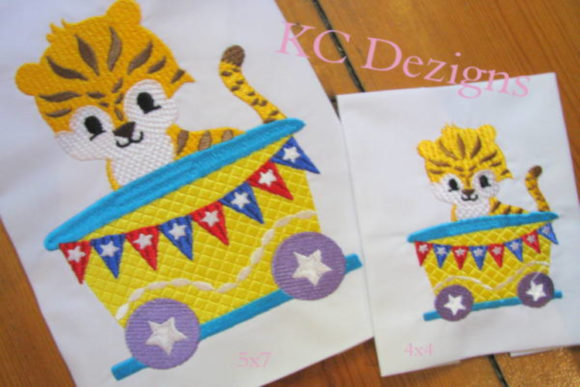
The first thing that struck me about Tiger Sitting in Train is its playful, storybook charm. The title alone suggests a cute scene with a tiger riding in a train car, and the description confirms it is an applique design meant for quilting or any number of other projects. This is not a delicate, elegant, or farmhouse-style piece. It is bold, whimsical, and undeniably child-friendly. The mood feels soft and cheerful, with a modern, almost cartoonish appeal that immediately made me think of the Boys category. The design does not try to be sophisticated or minimal. Instead, it leans into a sweet, storytelling quality that parents and grandparents often gravitate toward when shopping for handmade gifts. If you are a creative entrepreneur looking for a design that feels approachable and playful, this one has a strong first impression.
How It Performs on Popular Craft Fair Products
When I review a machine embroidery design for real-world use, I picture it on the products I know will fill my booth. Tiger Sitting in Train shows clear versatility, but its best applications are those where the applique process can shine and the story can be seen at a glance.
- Tote bag design: This is a natural home for this tiger. A large tote bag gives the applique enough room to display the full train scene. The bold shapes read well from a few feet away, which is critical for catching a shopper's eye as they walk past a booth. I would use a sturdy cotton canvas or denim tote for this.
- Apron embroidery: A child-sized apron or a kitchen apron for a playful adult would work well. The design sits nicely on the chest or lower panel, and the applique adds a soft, tactile element that feels premium in person.
- Tea towel embroidery: This is a bit more challenging. Tea towels have a textured weave that can distort applique details, especially if the train windows or tiger face have small cutouts. I would test a sample first and use a medium-weight cutaway stabilizer to keep the fabric flat. If the design is not too dense, it can be a lovely accent on a towel.
- Embroidered patch: This design is a strong candidate for patches. The distinct shapes of the tiger and train car translate well into a patch format. You can stitch them onto backpack straps, jackets, or even frame them as standalone gifts. Patches are also a low-cost, high-margin item for a craft fair table.
- Caps: Curved cap surfaces can be tricky for applique. The train might be wide enough to warp on a cap front. I would recommend a smaller size or a flat-front cap style. If you are set on caps, test the hoop size and positioning carefully.
- Fabric pouches and pillow covers: Small pouches and mini pillows are excellent for this design. The applique adds a soft, cuddly feel to a pillow, and the train theme makes it a natural fit for a child's room decor. These products often sell quickly at markets because they feel like a complete gift.
- Market bags and handmade gifts: A simple market bag with this tiger applique is a charming, reusable gift idea. It also works well as a booth sample to show customers what you can do with their own bags.
For Etsy seller listings, the design photographs well because the applique layers create clear contrast. You can easily show the finished product in bright, natural light without needing a complex setup. The design assets are straightforward enough to include in a printable mockup for your shop.
Practical Selling and Production Points
Tiger Sitting in Train is easy to understand at a glance. A customer does not need to squint or ask what it is. The tiger and train are immediately recognizable, which is a huge advantage in a busy craft fair environment. Shoppers often make decisions in seconds, and this design communicates its story instantly.
As a small shop product, it works well as both a small accent and a larger focal design. On a tote bag or pillow, it becomes the centerpiece. On a patch or a small pouch, it is a charming detail. This flexibility means you can produce several product variations from one embroidery file, which is efficient for batch production. The applique technique itself is repeatable and consistent once you have your fabric stacks pre-cut, making it a solid choice for commercial embroidery runs.
When photographing for Etsy or other online marketplaces, the design's bold shapes show up well even in smaller thumbnail images. I recommend creating at least one real mockup on a plain background to showcase the applique texture. The digital embroidery file itself should be tested before you invest in bulk production, but the visual appeal is strong enough to build a listing around.
Careful-Use Notes for Production
No design review is complete without honest notes about what to watch out for. Tiger Sitting in Train has a few considerations that every embroidery business owner should keep in mind before they start stitching.
- Dense stitch areas: Applique designs are generally less dense than filled embroidery, but the train car details and the tiger's face may have satin stitch borders or small filled elements. If the applique fabric is thick, these areas can become stiff. Test on scrap fabric first to see how the machine handles the layers.
- Tiny details and small lettering: The description mentions a quilt block. If the design includes small text or very fine details, these may lose clarity at smaller sizes. For a patch or a small pouch, be sure the design is scaled appropriately. If the train has tiny wheels or window bars, check that they do not become a blur of stitches.
- Thick fabric and textured towels: As noted earlier, tea towels and thick cotton can distort applique. Use a firm cutaway stabilizer and a sharp needle. For toweling, a water-soluble topper can help keep the stitches from sinking into the texture.
- Curved cap surfaces: If you plan to stitch this design on a cap, be aware that the width of the train car may cause misalignment on a curved brim. A smaller hoop size and a curved cap frame are essential.
- Dark fabric: The tiger and train likely have lighter colors. On dark fabric, be sure to use a white or light bobbin thread and a high-contrast applique fabric. Test a sample on a dark tote bag to confirm the design pops as intended.
- Size scaling: If you resize the embroidery file in your software, be aware that stitch density can change. Enlarging the design may spread stitches too thin, while shrinking it may cause crowding. Always check the stitch count and density after resizing.
Visual Appeal, Customer Attention, and Booth Display
In a craft fair booth, Tiger Sitting in Train will attract attention from parents and anyone looking for a cute, story-driven gift. The design feels handmade and heartwarming, which is exactly the quality that buyers associate with handmade product value. When displayed on a tote bag or pillow, the applique layers add a three-dimensional texture that machine-embroidered letters cannot match. Customers will notice the soft fabric edges and the careful stitching, which signals quality and care.
For brand consistency, this design fits a playful, child-focused line. If your shop leans toward modern, minimal, or rustic styles, it may feel out of place. But if you serve families, baby showers, and birthday gifts, this is a strong addition. The design also encourages buyer engagement because it invites a story. A customer might say, "My son loves trains and tigers," and that connection is what leads to a sale. I have seen similar designs become booth favorites because they spark conversation.
The finished product looks premium without being complicated. A well-executed applique on a quality tote bag can command a higher price point than a simple printed graphic. This design helps you position your products as thoughtful, handmade gifts rather than mass-produced items.
Practical Embroidery Designer Notes
Before you add Tiger Sitting in Train to your production lineup, here are the steps I recommend every craft fair product maker take:
- Test the design on scrap fabric. Use the same fabric weight you plan to use for your final products. Run a full test stitch-out to check for thread breaks, jump stitches, and alignment issues.
- Check thread contrast. If the tiger is orange and the train is red, make sure they do not blend into each other. Applique relies on clear contrast between fabric pieces.
- Review spacing and hoop size. The design may require a 5x7 or larger hoop depending on the original size. Confirm the hoop size before you commit to a batch of products. If the embroidery file does not specify the hoop size, measure it in your software.
- Inspect stitch density. Dense areas can cause fabric puckering, especially on lighter materials. Adjust density if necessary, or use a heavier stabilizer.
- Use the right stabilizer. For applique, a cutaway stabilizer is almost always the best choice. It provides lasting support and prevents the design from distorting over time.
- Create at least one real mockup. Photograph the finished product in natural light. Use this image for your printable mockup or Etsy listing. A real sample builds trust with customers.
- Compare fabric colors. Hold the applique fabrics next to the base fabric before you cut. What looks good on a screen may not look good in person.
- Confirm commercial licensing. The description states that this is a machine embroidery applique design. You must check the license terms from the seller before you sell any finished product. Not all digital embroidery file purchases include commercial rights. This step is non-negotiable for any small shop product or commercial embroidery business.
If the design does not include a stitch count, file format details, or hoop size in the description, you will need to open the file in your software to verify these before production. Do not assume the design will fit your machine or your hoop.
Final Thoughts on Tiger Sitting in Train
Tiger Sitting in Train is a charming, saleable design for anyone who creates handmade product lines aimed at children and families. It works well on tote bags, pillows, patches, and pouches, and it has the kind of visual clarity that stops shoppers at a craft fair table. The applique technique adds a premium, tactile feel that sets your products apart from ordinary printed goods. With careful testing, appropriate stabilizer use, and attention to fabric contrast, this design can become a reliable seller in your booth. It is not a piece for every brand, but for those serving the Boys category or anyone looking for a cute, story-driven gift, it is a strong addition to your embroidery lineup. Make a sample, test it on a few products, and see how your customers respond. I have a feeling the tiger will ride home with quite a few of them.