Bunny Ballerina 4: Pro Review for Small Business Merch
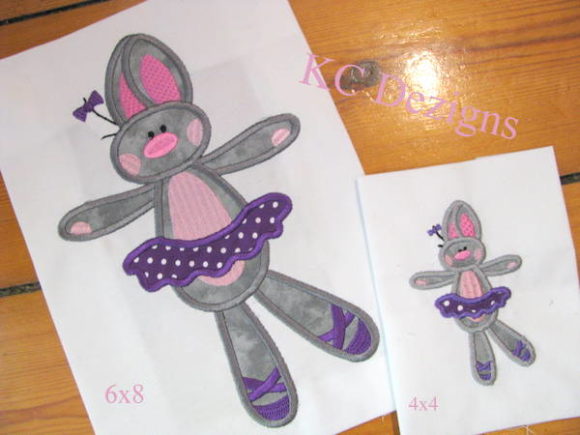
As an embroidery designer who has reviewed hundreds of machine embroidery files for commercial use, I focus on real business value. When I first opened Bunny Ballerina 4, I was struck by its playful yet refined silhouette. This is a machine applique embroidery design that blends a sweet bunny face with a delicate ballerina pose. The cutest Bunny Ballerina is exactly what you expect — and for a small business looking to add charm to branded merchandise, this design delivers a strong first impression. It feels friendly, handmade, and premium without being overly decorative. The limited applique layers keep the stitch count manageable, which is a huge plus for production efficiency.
Though categorized under Boys, this embroidery file works beautifully for any little one who loves bunnies and ballerinas. The design is available in 3 different hoop sizes, giving you flexibility for patches, chest logos, sleeve details, and more. Let me walk you through how Bunny Ballerina 4 performs in real business use, where to place it carefully, and how it affects your brand identity.
First Impression: Professional, Playful, and Production-Ready
My first reaction was that Bunny Ballerina 4 strikes a balance between cute and clean. The bunny’s ears and tutu create a recognizable shape that reads well at small sizes. The applique approach means you get a crisp fabric-edge look, which adds a tactile, handmade feel to any finished product. For a boutique café, a children’s clothing line, or a handmade toy brand, this design immediately signals warmth and attention to detail. It does not look amateurish or overly generic — it feels like a curated design asset that can elevate a plain tote bag or apron.
From a commercial embroidery standpoint, the design’s simplicity is its strength. The stitch density appears moderate, and the applique layers reduce the number of thread color changes. This translates to faster stitching and lower production costs per item — critical for small business owners who need to keep margins healthy. I recommend testing the design in black and white first to check contrast and spacing, especially if you plan to use it on dark uniforms or colored backgrounds.
Real-World Business Use: Patches, Uniforms, and Merchandise
For small business merchandise, Bunny Ballerina 4 shines in several applications:
- Embroidered patches — This design is ideal for sew-on patches on caps, bags, or jackets. The clean outlines make patch production straightforward, and the 3 hoop sizes let you choose the perfect dimension for your brand.
- Custom apparel — Chest logos on children’s t-shirts or aprons for a bakery or flower shop. The bunny ballerina theme works well for a boutique that sells handmade kids’ items or a café with a whimsical vibe.
- Cap embroidery — A smaller hoop size can fit on the front of a cap. However, you must test the placement because the curve of the cap can distort the bunny’s ears. Use a firm stabilizer and a curved cap frame.
- Tote bag design — The design’s open areas keep it from feeling too heavy on a tote. It creates a striking focal point that customers will notice.
- Apron embroidery — For a bakery or handmade studio, this design on an apron adds a personal, branded touch that stands out at farmer’s markets or events.
Bunny Ballerina 4 also works for event merchandise—think birthday party favors, dance studio giveaways, or community fair items. Because it’s a machine applique design, the finished product feels substantial and long-lasting, which builds customer trust. I always advise creating a printable mockup for client approval before stitching, and this design looks great in mockups because the shapes are distinct.
Where to Use Bunny Ballerina 4 with Care
No design is perfect for every surface. Here are the areas where Bunny Ballerina 4 requires extra attention:
- Small patch sizes — If you choose the smallest hoop, the bunny’s details (especially the eyes and tutu) may become too tiny. Always test at the intended patch size. If the elements crowd together, consider using a larger hoop or reducing the design’s complexity by simplifying the applique.
- Curved surfaces — Cap fronts and curved tote handles can distort the bunny’s round face. Use a tight hoop and appropriate stabilizer (cutaway for caps, tearaway for flat items). A test stitch on a similar curve is essential before production.
- Tiny lettering — The description does not mention text, but if you plan to add a brand name or lettering near the design, ensure the spacing is adequate. The bunny’s ears and tutu extend outward, so leave enough clearance.
- High stitch density — While the applique reduces density, the satin stitch outlines can still be dense. On lightweight fabrics like silk or thin cotton, the design may pucker. Use a medium-weight stabilizer and a layer of water-soluble topping to keep the stitches crisp.
- Dark uniforms — If you stitch on dark fabric, adjust thread colors for contrast. A white or light pink bunny will pop, but dark thread on dark fabric will get lost. Test with a contrasting underlay.
- Items needing frequent washing — Applique edges can fray over time if not properly secured. Use a dense satin stitch and a quality stabilizer that won’t break down. For commercial laundry, consider a poly thread and a reinforced backing.
How Bunny Ballerina 4 Affects Brand Identity and Customer Trust
When you add an embroidery design to your merchandise, you are making a statement about your brand. Bunny Ballerina 4 communicates that your business is playful, child-friendly, and detail-oriented. For a small business that sells handmade products, this design adds a layer of credibility — it shows you invest in quality design assets rather than clip art. Customers perceive higher value, which can justify a premium price point.
For boutiques or creative studios, using this design consistently across product labels, aprons, and tote bags creates visual consistency. It becomes a signature element. I have seen brands use a single embroidery motif as their logo on everything from caps to packaging. Bunny Ballerina 4 has that potential: it is distinctive but not overly complex, easy to recognize, and versatile enough for multiple product categories.
However, be mindful of gender associations. The design is categorized under Boys, but the bunny and ballerina theme is traditionally feminine. If your brand targets a specific audience, test the design with your customer base. You can also adjust thread colors to make it more neutral — for example, a green bunny with a blue tutu. The design’s structure allows for color substitution without losing the silhouette.
Practical Embroidery Designer Notes for Production
Before you commit to a bulk order, follow these steps:
- Test it in black and white first — Print the design on paper to check contrast and spacing. This helps you spot potential issues before thread touches fabric.
- Check if it works at small patch size — Use the smallest hoop size and test on a scrap piece of fabric. If the applique pieces are too small to handle, opt for a larger hoop.
- Review thread color contrast — The design uses multiple colors for the bunny’s face, ears, and tutu. Ensure the contrast between thread and fabric is strong enough for readability.
- Inspect spacing — Look at the distance between the bunny’s ears and the tutu. If they are too close on a small hoop, the design may look crowded. Adjust if needed.
- Confirm hoop size — The description says 3 different hoop sizes, but exact dimensions are not provided. Contact the designer or measure the file to ensure it fits your machine’s hoop range.
- Test on real fabric — Stitch a sample on the exact fabric you plan to use. Different weaves react differently to applique. A stable fabric like denim or twill works best; stretchy knits require extra care.
- Use proper stabilizer — For applique, a medium-weight cutaway stabilizer is my go-to. It provides lasting support and prevents distortion during washing.
- Create a mockup for client approval — Before stitching a batch, make a digital mockup showing the design on an apron, cap, or tote bag. This ensures the client (or your own team) is satisfied with the size and placement.
- Compare it beside other design assets — If you already have a brand logo or other embroidery files, place Bunny Ballerina 4 next to them to check visual harmony. You want a cohesive look across all products.
- Confirm commercial licensing — Always verify that your digital embroidery file comes with a license for commercial use. Some designers restrict resale or require a separate license for mass production. Read the terms carefully before stitching for clients.
Final Thoughts on Bunny Ballerina 4 for Small Business Merch
Bunny Ballerina 4 is a solid machine embroidery design that balances charm with production practicality. It is not overly complex, which makes it a strong candidate for small business owners who need consistent, reliable results across multiple items. The 3 hoop sizes give you flexibility, and the applique technique adds a premium handmade feel that customers love. Use it for patches, aprons, caps, tote bags, and event merchandise. Just be careful with small sizes, curved surfaces, and fabric contrast. With proper testing and a good stabilizer, this design will become a valuable part of your brand identity. If you run a café, boutique, or creative studio targeting families, Bunny Ballerina 4 is worth adding to your design assets.