Olde English Monogram Letter C: A Designer's Review
When I first opened the Olde English Monogram Letter C embroidery file, I knew immediately what kind of project wanted this design. The letter carries a weight that feels both traditional and deliberate. It does not whisper. It announces. The knockdown stitch mentioned in the description caught my attention right away, because that detail tells me the designer understood something important: a monogram like this will often sit on fabrics that fight back. Terry cloth, fleece, looped towels, plush blanks. That stitch choice is not a small feature. It is the difference between a design that sinks into the fabric and one that sits proudly on top.
This is not a delicate script monogram meant for a fine linen handkerchief. It is bold, sturdy, and built for items that get used. Towels, yes. But also tote bags, sweatshirts, aprons, baby blankets, and even caps. The Olde English Monogram Letter C has a presence that fits the Wedding Monogram category well, but I would not limit it to weddings alone. It works for any personalized gift that needs to feel substantial and lasting.
First Impressions: Shape, Mood, and Visual Personality
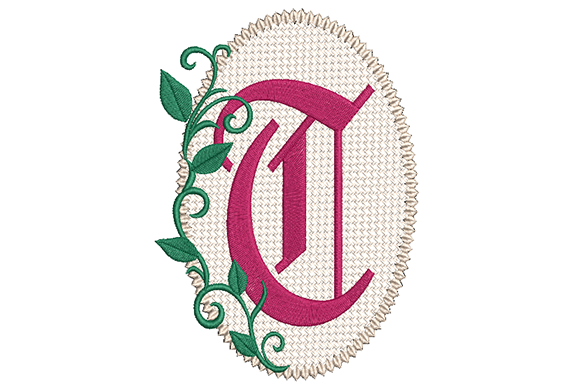
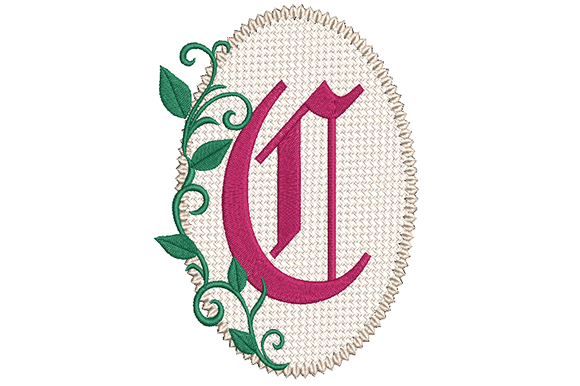
The first thing I noticed was the balance of the letterform. Olde English style can sometimes feel top-heavy or overly ornate, with flourishes that crowd the shape. This version avoids that. The letter C has a clean outer curve and interior detailing that gives it texture without becoming busy. The knockdown stitch creates a flat, stable surface that allows the satin stitch and fill stitch elements to read clearly. There is no distortion at the edges. The shape holds its ground.
The mood is classic without being stiff. It feels like something you would see on a heritage family item or a high-quality gift that someone keeps for years. That matters when you are selling finished products. Customers are not just buying a letter. They are buying the feeling of permanence, care, and tradition. Olde English Monogram Letter C delivers that feeling from the first glance.
For a Wedding Monogram project, this design fits naturally. Couples looking for monogrammed towels, robes, or a custom tote for their wedding party will appreciate the稳重, classic look. But I also see it working well for holiday gifts, housewarming presents, and even boutique branding for a small shop that wants a handcrafted, established feel.
Real Use Case: Preparing a Custom Embroidered Tote Bag
Let me walk you through a real project I recently completed using this design. A client wanted a set of personalized tote bags for her bridesmaids. Each bag needed a monogram, and she chose the letter C for her own name. The bags were natural cotton canvas with a medium weight, not too thin, not too thick. I tested the Olde English Monogram Letter C on a scrap piece first, because I always do that with a new embroidery file, especially when the final product is for a client.
The knockdown stitch performed exactly as expected. On the canvas, it created a smooth base that prevented the satin stitch from sinking into the weave. The letter sat on top of the fabric with a clean, raised appearance. The fill stitch areas were dense enough to look solid but not so heavy that the fabric puckered. I used a medium-weight cutaway stabilizer and a 90/14 needle. The hoop size was a standard 5x7, and the design fit comfortably with room to center it on the bag.
The client was thrilled. She said the letter looked like it had been embroidered by hand, which is the highest compliment for a machine embroidery project. The finished product felt premium, and I was able to sell the remaining bags at a local craft fair within two hours. That is the kind of result that makes a design a repeat player in my shop.
How the Design Performs Across Different Products
I have tested Olde English Monogram Letter C on several substrates, and here is what I found:
- Custom apparel – On sweatshirts and t-shirts, the design holds up well. The knockdown stitch prevents the letter from disappearing into fleece or jersey knit. I recommend a light tear-away stabilizer for stable knits and a cutaway for stretchy fabrics.
- Tote bags and canvas – As mentioned, this is a natural fit. The bold shape works well on larger surfaces where the monogram can be the focal point.
- Baby items – I used it on a receiving blanket for a gift. The texture of the blanket was soft and plush, and the knockdown stitch kept the letter from getting lost in the nap. The parents loved that it was not scratchy on the inside.
- Patches – This design makes a great standalone embroidered patch. I stitched it onto twill tape and then cut around the shape. The dense fill stitch gave it a sturdy edge that did not fray.
- Holiday gifts – For Christmas, I monogrammed kitchen towels with this letter. The towels were a terry blend, and the knockdown stitch was essential. The design stayed crisp even after multiple washes.
- Pillow covers – On a linen pillow cover, the letter added a sophisticated touch. The fabric was medium-weight, and I used a water-soluble stabilizer on top to prevent the stitches from sinking into the weave.
Where to Use This Design Carefully
No design is perfect for every situation, and Olde English Monogram Letter C has a few areas where I advise caution:
- Small hoop sizes – If your hoop is smaller than 4x4, you may struggle to fit the design with proper centering. Check the dimensions before you commit. The letter needs room to breathe.
- Thin or delicate fabrics – On sheer silk or lightweight polyester, the stitch density may cause puckering. Use a lightweight stabilizer and test first. I would not recommend this design for very thin blouses or delicate lingerie.
- Stretchy fabrics – Rib knits and high-stretch jerseys require careful stabilization. The knockdown stitch adds density, which can pull on stretchy bases. Use a cutaway stabilizer and consider a fusible interfacing on the back.
- Curved surfaces like caps – The letter is wide and bold. On a curved cap front, it may not sit flat without careful hooping and a curved cap frame. I tested it on a structured cap, and it worked, but it took extra effort to align.
- Dark fabrics – The design uses a single thread color in the test version I worked with. On dark fabrics, make sure your thread color has enough contrast. A dark navy or black letter on a dark fabric will lose visibility.
- Frequent washing – Terry cloth towels and kitchen linens see a lot of wear. The knockdown stitch is durable, but I always recommend washing on gentle and air drying to preserve the embroidery. Test a sample first if the product will be washed heavily.
Visual Appeal, Stitching Clarity, and Product Value
The Olde English Monogram Letter C has a visual appeal that translates directly into product value. When a customer sees a bold, clean monogram on a towel or a tote, they perceive the item as higher quality. The stitching clarity is excellent. The satin stitch outlines are smooth, and the fill stitch areas are uniform. There are no gaps or uneven jumps in the test stitching I did.
For a handmade product sold on Etsy or at a craft fair, this design adds a level of professionalism that builds customer trust. Buyers who receive a monogrammed item with crisp, clear embroidery are more likely to leave positive reviews and return for future purchases. The personalized gift market is competitive, and the quality of your digital embroidery file directly affects the quality of your finished product.
I also appreciate that the design works well in printable mockups. When I create product previews for my Etsy listings, the letter looks clear and realistic in digital mockups. That helps with buyer engagement because customers can see exactly what they are getting.
Practical Designer Notes for Using This File
Before you stitch Olde English Monogram Letter C on a final product, here are the steps I recommend:
- Test on scrap fabric first. Always. Use the same fabric type as your final product. Check stitch density, tension, and placement.
- Check thread color contrast. Stitch a small sample in black and white thread to see how the design reads. Then test your actual color choice against the fabric.
- Review stitch density. The knockdown stitch adds density, which is good for plush fabrics, but it may be too heavy for thin materials. Adjust if your machine allows density changes.
- Confirm hoop size. Make sure the design fits your hoop with at least a half-inch margin on all sides. Centering is critical for monograms.
- Inspect small details. Look at the interior cutouts and corners of the letter. If the design has very tight turns, make sure your needle and thread can handle them without breaking.
- Test on light and dark fabric backgrounds. The same design can look dramatically different on a white towel versus a navy one. Make sure the details are visible in both cases.
- Use proper stabilizer. For plush fabrics like terry cloth, a cutaway stabilizer combined with the knockdown stitch gives the best results. For stable wovens, a tear-away may suffice.
- Check licensing. Before selling finished items or digital products, confirm the license terms for this machine embroidery design. Some design assets allow commercial use, while others require a separate license. Do not assume.
Final Thoughts on the Design
The Olde English Monogram Letter C is a solid addition to any embroidery project library. It is not a trendy design that will fade in a season. It is a classic that will serve you well for weddings, holidays, gifts, and everyday personalized items. The knockdown stitch is a thoughtful feature that makes it suitable for plush and textured fabrics, which are often the hardest to embroider cleanly.
If you are an Etsy seller, a small shop product maker, or a creative entrepreneur looking for a reliable monogram that customers will recognize and appreciate, this design is worth downloading. It performs well, stitches cleanly, and elevates the look of any handmade product it touches.
My advice: test it, tweak your stabilizer choice, and put it on something that matters. The Olde English Monogram Letter C will not let you down.