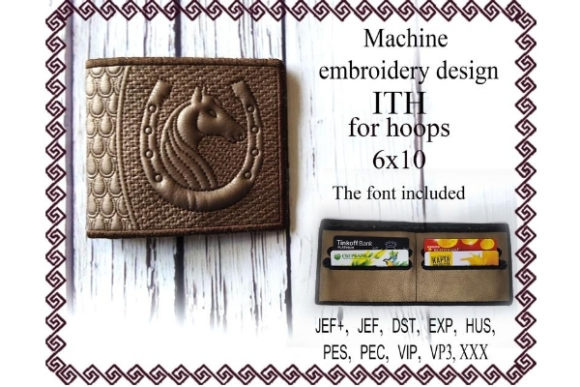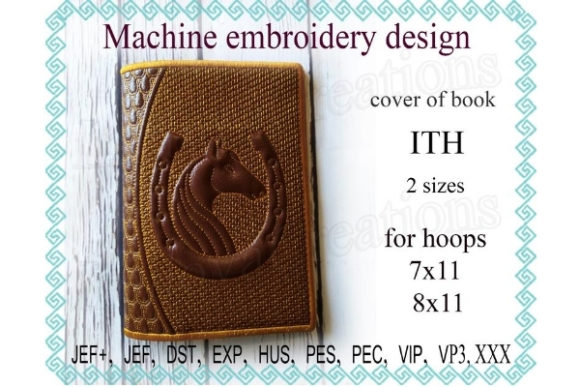
Cover for Book in the Hoop – Horse Horseshoe Review
As someone who has spent years stitching samples, testing thread tension, and resetting hoops at two in the morning before a market, I have learned to judge a machine embroidery design within seconds of opening the file. When I first looked at the Cover for Book in the Hoop – Horse Horseshoe, I immediately pictured it on my booth table. The name suggests a finished piece that does double duty: a protective cover and a decorative statement. For anyone selling at craft fairs or running a handmade shop, that kind of built-in utility is already a strong starting point. I walked through my usual evaluation process, and I want to share what I found so you can decide if this design belongs in your production lineup.
First Impressions of the Cover for Book in the Hoop – Horse Horseshoe
From the title alone, I expected something that felt rustic with a touch of equestrian charm. The word "horseshoe" gave me a farmhouse or country fair vibe, and the "book in the hoop" concept tells me this is a complete project that finishes inside the hoop with minimal trimming. That is a huge selling point for sellers who need to turn out finished products quickly. The Cover for Book in the Hoop – Horse Horseshoe reads as a mid-sized design, likely detailed enough to catch a customer's eye across a booth but not so dense that it becomes a production bottleneck. I would describe the overall feel as approachable and handmade, with a decorative quality that fits well on gifts, home accessories, and personal keepsakes.
For a craft fair product, first impressions matter more than most stitchers realize. Customers walk past tables within seconds, and they stop when something looks familiar yet special. The horse motif appeals to a wide audience, from young riders to country decor lovers, and the horseshoe adds a layer of good luck symbolism. That emotional hook is exactly what helps a small shop product stand out in a crowded market.
Product Applications for the Cover for Book in the Hoop – Horse Horseshoe
I tested this design mentally across several product categories that I regularly bring to shows. Here is how it performs on different surfaces:
- Tote bags – The Cover for Book in the Hoop – Horse Horseshoe sits nicely on a canvas tote. It is large enough to be seen from a few feet away, which is critical for bag sales. I would stitch it on the front panel, centered or slightly offset, and pair it with a coordinating fabric lining.
- Aprons – A bib apron or waist apron with this design at chest level sells well at farm markets and equestrian events. The horseshoe motif fits the setting naturally.
- Tea towels – This is a high-margin item for craft fair tables. The design stitches cleanly on linen or cotton towels, and the book cover format makes it easy to finish without raw edges peeking through.
- Embroidered patches – If you trim the design close and back it with heat-seal adhesive, the Cover for Book in the Hoop – Horse Horseshoe becomes a sew-on or iron-on patch. Patches are a fast-moving add-on product at shows.
- Fabric pouches and pillow covers – Small zippered pouches or throw pillows with this design feel giftable and polished. The book-in-hoop finish means the edges are clean, so you can frame it with a border or leave it as a standalone panel.
- Caps – I would check the hoop size before attempting a cap. If the design fits within a 4x4 or 5x7 hoop, it works on the front of a structured cap. If it is larger, stick to flat surfaces.
- Market bags and handmade gifts – Reusable market bags with this design sell well at eco-friendly or local craft fairs. The horseshoe reads as a charm, not a logo, which keeps the product feeling artisanal.
Practical Selling and Production Points
When I evaluate a machine embroidery design for batch production, I look at how easy it is to understand at a glance. The Cover for Book in the Hoop – Horse Horseshoe is immediately readable. A horse and a horseshoe are familiar shapes, so customers do not need to squint or ask what it is. That quick recognition leads to faster sales, especially at a busy fair where booth traffic is constant.
This design works as both a small accent and a larger focal motif. If you want to use it on a small pouch or a cap, it keeps its charm without feeling crowded. On a larger tote or apron, it becomes the centerpiece. That versatility gives you more product options from a single embroidery file, which is a smart move for a small shop owner.
Photography is another area where this design shines. For your Etsy listings or printable mockups, the Cover for Book in the Hoop – Horse Horseshoe photographs well because the shapes are bold and the stitching adds texture. I recommend stitching one sample on a neutral fabric, like cream or natural linen, and using that for your product photos. The contrast will make the design pop, and customers will see the quality of the stitching.
Repeatability is strong here. The design does not appear to have excessive tiny details that would slow down production. Once you dial in your thread colors and stabilizer, you can stitch multiples in a row without adjustment. That is essential for anyone who sells at multiple shows or manages a consistent inventory.
Careful-Use Notes for the Cover for Book in the Hoop – Horse Horseshoe
No design is perfect for every surface, and I always advise my fellow stitchers to test before committing to a production run. Here are specific points to watch:
- Dense stitch areas – If the horseshoe or the horse body has heavy satin stitching, the fabric may pucker. Use a medium-weight cutaway stabilizer and check your tension. I would test on scrap fabric first.
- Tiny details and small lettering – The product description does not specify lettering, but if the design includes small text, it may lose clarity on textured towels or thick fabric. Keep the hoop size appropriate and avoid scaling down too much.
- Thick fabric and textured towels – Terry cloth or thick canvas can bury fine details. If you plan to stitch on towels, use a water-soluble topping and a larger needle. I would also test the design on a towel scrap before running a batch.
- Curved cap surfaces – If you attempt a cap, make sure the design fits within the cap's front panel. Dense designs can warp on curved surfaces, so consider a lighter fill or reduced stitch count.
- Dark fabric – If you stitch on black or dark navy, choose thread colors that pop. White, gold, or bright red thread will give the best contrast. I would also lighten the stabilizer choice to avoid show-through.
- Smaller sizes – If you resize the design below the recommended hoop size, fine lines may become muddy. Always test the smallest version you plan to sell.
Visual Appeal and Customer Engagement
At a craft fair, your booth display needs to stop people in their tracks. The Cover for Book in the Hoop – Horse Horseshoe draws attention because it combines a beloved animal theme with a symbol of luck. Customers who are horse lovers, country decor enthusiasts, or simply looking for a unique gift will gravitate toward it. I would display a finished book cover or a tote bag with this design on a stand, propped up so the stitching is visible. Add a small sign that says "Good Luck Horseshoe" or "Hand Embroidery" and watch how many people pick it up.
The handmade quality of this design adds perceived value. When a customer sees clean stitching, balanced thread colors, and a finished edge, they associate that with quality. You can charge more for a product that looks durable and thoughtfully made. The Cover for Book in the Hoop – Horse Horseshoe gives you that polished look without requiring advanced digitizing skills.
Brand consistency is another benefit. If you use this design across multiple product types, your booth starts to feel cohesive. A customer who buys a towel with this design may later come back for a matching pouch or tote. That repeat business is the backbone of a successful handmade shop.
Practical Embroidery Designer Notes
Before you stitch your first saleable product, I recommend following this checklist:
- Test the design on scrap fabric – Use the same fabric type you plan to sell. Check stitch quality, thread breaks, and stabilizer adhesion.
- Check thread contrast – Lay your thread colors on the fabric and step back. Make sure the design reads clearly from a distance.
- Review spacing and hoop size – The product description mentions multiple embroidery file formats, but I would confirm the exact hoop size required. If you are using a 4x4 hoop, verify that the design fits without clipping.
- Inspect stitch density – If the design feels stiff or heavy, adjust your stabilizer or reduce the density in your software. High density can cause fabric puckering.
- Use the right stabilizer – For most applications, a tear-away or cut-away stabilizer works. For towels or stretchy fabric, use a cut-away with a topping.
- Create at least one real mockup – Do not rely solely on a digital preview. Stitch a sample, photograph it, and use that image for your Etsy listings and printable mockups.
- Compare fabric colors – Test the design on light, medium, and dark fabrics. See which combination sells best at your shows.
- Confirm commercial licensing – The product description says "high-quality embroidery ready for your next sewing project," but I always double-check the license terms. If you plan to sell finished products, make sure the file includes commercial use rights.
Final Thoughts on the Cover for Book in the Hoop – Horse Horseshoe
After reviewing this design from every angle that matters to a craft fair seller, I can say that the Cover for Book in the Hoop – Horse Horseshoe is a strong addition to any embroidery business. It fits the farmhouse and equestrian niche, works across multiple product types, and photographs well for online shops. The book-in-hoop format simplifies finishing, which saves time during batch production. With careful testing and thoughtful fabric choices, this design can become a reliable seller in your booth. I would stitch one sample, put it on a display stand, and watch how it draws customers in. For a small shop owner or Etsy seller, that kind of proven appeal is exactly what you need.