Cool Baby Lamb Medium: A Craft Fair Review
As an embroiderer who spends most weekends behind a market booth, I have a pretty sharp eye for what sells and what just sits in the bins. When I first looked at the Cool Baby Lamb Medium machine embroidery design, I immediately started thinking about how it would fit into my product lineup. This is a review from the trenches, looking at this design not just as a beautiful embroidery file, but as a reliable craft fair product that can generate real revenue for your small shop product line.
First Impressions and Booth Appeal
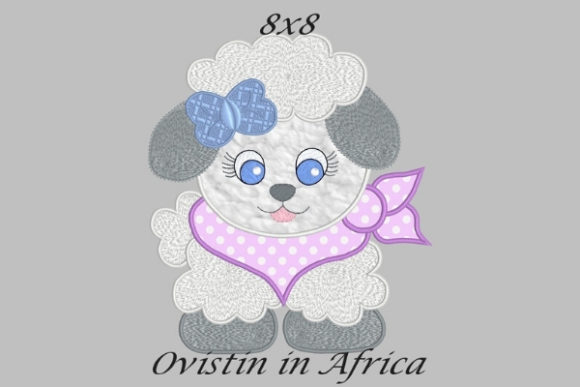
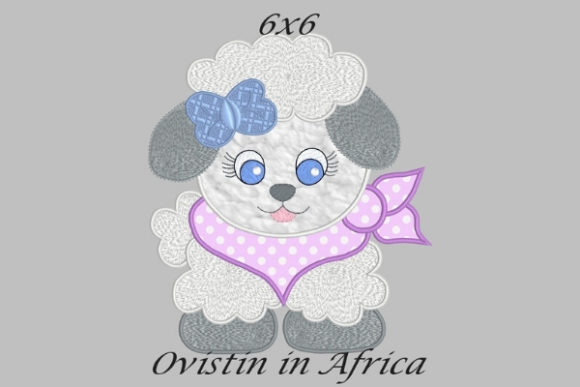
The Cool Baby Lamb Medium hits a sweet spot between cute and modern. It is an applique design, which immediately gives it a tactile, premium feel. In a world of flat digital prints, an embroidered patch or applique item begs to be touched. Shoppers at craft fairs are tactile buyers. If they can feel the texture of the fabric layers and the satin border, they are much more likely to buy.
This design leans into a soft, farmhouse aesthetic. It is not overly cartoony, which means it appeals to a wider demographic. A new mom, a grandmother shopping for a baby shower, or someone looking for rustic nursery decor will all stop to look at this. The Baby Animals category is an evergreen market, but the applique technique elevates it from a simple iron-on to a handmade product that feels more valuable.
Best Product Applications for Your Booth
I run through a mental checklist whenever I see a new digital embroidery file: Where can I put this? What will sell fastest? Here is where Cool Baby Lamb Medium performs best in a real market setting.
- Tote Bag Design: This is a home run. The medium size is perfect for the center of a canvas tote. It is large enough to be a focal point but doesn't overwhelm the bag. I would use a cutaway stabilizer here to keep the fabric from puckering under the satin stitch border.
- Apron Embroidery: A cute lamb on a gardening or kids' apron is an immediate conversation starter. It adds a playful element without being too childish for adults.
- Tea Towel Embroidery: This is a tricky one. Towels have a high pile and texture. The applique fabric needs to be firmly tacked down, and you will likely need a water-soluble topper to prevent the border stitches from sinking into the terry cloth. But if you test it, it sells.
- Embroidered Patch: Creating standalone patches is a low-risk, high-margin booth item. Stitch out the Cool Baby Lamb Medium on twill, cut it out, and back it with iron-on adhesive. Customers love buying patches to put on denim jackets, backpacks, or onesies.
- Caps: The medium size is likely ideal for the front or side of a cap. Applique on a curved surface requires a sturdy cap frame, but the result is a premium Dad hat or baby cap.
- Pillow Covers & Pouches: These are perfect for giftable items. A small zippered pouch with this lamb makes a great "just because" gift for a new parent.
Production Efficiency and Batch Stitching
When you are an Etsy seller or a creative entrepreneur preparing for a show, you need to think about repeatability. Cool Baby Lamb Medium is a solid choice for batch production. Applique does require a few more steps than a standard embroidery-only design—you have to hoops, tack down the fabric, trim the excess, and stitch the border. However, the stitch density is usually lower than a fill stitch, which means less thread changes and faster overall stitching once you get into a rhythm.
Because it is a lamb, the thread colors are simple. You are likely looking at a soft white or grey for the body, a darker grey for the face/ears, and a touch of pink for the nose. Minimal color changes mean less time babysitting the machine. This is a design that works well in a production line.
Visual Appeal and Photography for Online Listings
One of the best features of this machine embroidery design is how it photographs. Applique has a 3D texture that catches the light. When you take photos for your Etsy shop or social media, this texture pops. It looks expensive. It looks handmade in the best way.
I recommend creating a printable mockup of your booth showing the lamb on a cream-colored onesie next to a wooden teether. This helps customers visualize the finished product. The soft, neutral palette of the lamb makes it incredibly easy to style for photos. It fits the "boho baby" and "modern farmhouse" aesthetics that are so popular in the handmade product space.
Critical Production Notes (Read This Before You Stitch)
I would be a bad designer if I didn't point out the potential pitfalls. No embroidery file is perfect straight out of the box. Here is what you need to watch for with Cool Baby Lamb Medium.
- Fabric Texture: As I mentioned with towels, high-pile fabrics will swallow your stitches. You must use a topper. For smooth fabrics like cotton or linen, a standard tear-away stabilizer works fine.
- Dark Fabric: If you stitch this on a dark blue or black onesie, the contrast will be stunning. However, ensure the applique fabric is thick enough that the dark base fabric doesn't peek through the white lamb fabric. You may need to use two layers of white fabric for the applique.
- Stitch Density: Check the density of the satin border. If it is too tight, it will pucker on stretchy fabrics like jersey knit. If it is too loose, the raw edges of the applique fabric might peek out. Do a test stitch on a scrap piece of your final product fabric.
- Hoop Size: The "Medium" designation suggests it fits a standard 4x4 or 5x7 hoop. You must confirm this before offering it on caps or small sleeves. A 4x4 hoop is the most common, so this is likely a safe bet for most home embroiderers.
- Small Details: The eyes and nose are the soul of the lamb. If they are too small, they might become distorted or lost in the fabric grain. If the design has tiny satin stitches for the eyes, consider using a dense tatami fill instead for better coverage.
Stabilizer Strategy and Designer Tips
For a commercial embroidery setup, I recommend using a cutaway stabilizer for any garment that might stretch (onesies, t-shirts, caps). For home decor items like towels or tote bags, a high-quality tear-away is sufficient. Always keep a pair of fine-tipped curved scissors at your machine to trim the applique fabric cleanly. A messy trim will ruin the crisp look of the satin border.
Before you stitch out 50 units, make a single real mockup. Do not rely solely on the digital simulation. Look at the fabric colors. Does the white lamb look too cream against a bright white onesie? Does the grey need to be cooler or warmer? These small decisions affect the product value and how quickly customers engage with your booth.
Commercial Licensing and Final Verdict
Before you sell a single embroidery file or finished product, double-check the commercial embroidery license that came with your design assets. Most designers allow you to sell the finished products, but some require credit or limit the number of items you can produce. Respect the artist's rules.
I am giving Cool Baby Lamb Medium a strong recommendation for any small shop product line. It is versatile, cute without being tacky, and the applique technique gives it a high perceived value that justifies a premium price at a craft fair. It fits the Baby Animals niche perfectly but is broad enough to appeal to farmhouse decor lovers.
If you are looking for a design that photographs well, stitches out relatively quickly, and has a broad demographic appeal, this is a solid addition to your design assets. Just remember to test your stabilizer and fabric texture combination first. Happy stitching, and see you at the market.