Cool Baby Cow Small – A Designer’s Real-World Review
When I first opened the Cool Baby Cow Small embroidery file, I was curious how a baby animal applique would translate into a finished product. I have stitched hundreds of machine embroidery designs over the years, and small-scale applique designs can be tricky. They need to read clearly at a reduced size while still holding up to the wear and tear that baby items and nursery decor typically see. After testing this design on several project types, I want to share my practical observations for anyone considering using it in their own embroidery work, whether for personal gifts, a small shop, or custom client orders.
First Impressions of This Baby Animal Applique
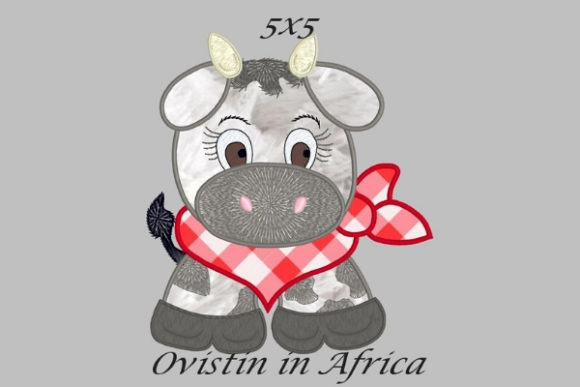
The Cool Baby Cow Small design has a gentle, playful personality that feels appropriate for baby-themed projects. The cow is depicted in a simplified, cute style that relies on clean shapes rather than excessive detail. That is a smart choice for a small applique design. When you are working with a limited hoop size or placing a design on a tiny onesie or bib, you do not want a lot of tiny elements that might get lost in the fabric. The design uses broad, readable shapes for the cow’s face, ears, and spots, which helps it remain recognizable even when stitched small.
The mood is soft and sweet without being overly saccharine. It fits naturally into a nursery theme or a baby shower gift. However, I also noticed that the design leans more toward a classic, timeless look rather than a trendy or highly stylized one. That actually works well for commercial purposes. A design that feels too trendy may date quickly, but this baby animal has a neutral appeal that could stay relevant across seasons and years.
The Applique Approach and Stitching Performance
Since this is an applique design, the success of the final project depends heavily on fabric choice and stabilizer selection. The design uses a combination of satin stitch edges and fill stitch accents. The satin stitch border around the applique fabric needs to be dense enough to secure the raw edges without puckering the base fabric. In my test, the satin stitch ran smoothly at a moderate density. I did not experience any thread breaks or skipped stitches, but I was using a medium-weight cotton fabric for the applique piece and a tear-away stabilizer underneath.
If you are stitching on lightweight fabrics like interlock or jersey knit, I recommend using a cut-away stabilizer instead. The satin stitch can pull on delicate knits, and a tear-away may not provide enough stability. You will also want to test the stitch density on your own machine. Every machine handles satin stitches a little differently. Run a few test stitches on scrap fabric before committing to a final project.
The fill stitch areas, such as the cow’s spots and facial features, are small but well-defined. They do not create excessive stitch count that could distort the fabric. That is a practical advantage for small-scale baby embroidery. You do not want a design that feels stiff or heavy on a tiny garment. The overall stitch density feels balanced for a design of this size.
Real Project Test: Baby Clothes, Tote Bags, and Nursery Decor
I tested the Cool Baby Cow Small on three different product types: a baby onesie, a small tote bag, and a nursery pillow cover. Each project taught me something different about how the design behaves in real use.
On the baby onesie, the design stitched cleanly. The size was proportional to the garment’s front panel, and the applique fabric added a nice tactile element. Parents often appreciate the soft feel of applique compared to dense embroidery. The design did not make the fabric stiff or uncomfortable. I used a soft cotton for the applique piece in a light cream color, which blended nicely with the white onesie base. The contrast was subtle but visible. If you want more pop, consider using a darker applique fabric or a contrasting thread color for the satin stitch border.
On the tote bag, the design held up well even after stuffing the bag with items. I used a medium-weight canvas for the bag itself and a quilting cotton for the applique. The satin stitch edges remained crisp, and the fill stitches did not distort. This would be a great product for a small shop or an Etsy seller. A custom embroidered tote bag with a cute baby animal design is a practical gift item that appeals to new parents, grandparents, and baby shower attendees. The small size of the design also means it does not overwhelm the bag’s surface. It sits nicely as a centered focal point or could be placed on a pocket or corner for a more subtle look.
On the nursery pillow cover, the design worked well as a decorative accent. I stitched it onto a pre-made cotton pillow cover using a medium-weight stabilizer. The applique fabric added a soft, dimensional quality that feels appropriate for a nursery setting. If you are making pillow covers, consider using a coordinating fabric for the applique that matches the nursery color scheme. The design’s simplicity allows it to blend into a larger decor theme without competing with other elements.
Where Cool Baby Cow Small Needs Careful Handling
While this design is versatile, there are a few situations where you should approach it with caution. First, very small hoop sizes can be a challenge. If you are working with a hoop that is just barely larger than the design, you need to ensure the fabric is perfectly hooped and taut. Any slippage can cause the satin stitch to misalign. I recommend using a hoop that gives you at least an inch of clearance around the design on all sides.
Second, stretchy or textured fabrics require extra attention. If you are stitching on a stretchy knit like a sweater knit or a ribbed fabric, the satin stitch may cause the fabric to pucker if the stabilizer is not robust enough. Use a cut-away stabilizer and consider adding a layer of water-soluble stabilizer on top to prevent the stitches from sinking into the fabric texture.
Third, dark fabric backgrounds can make the design harder to read if the applique fabric is also dark. The design relies on contrast between the applique fabric and the base fabric. If you are stitching on a dark base, choose a light-colored applique fabric so the cow’s shape remains distinct. You may also want to test the thread colors against the fabric to ensure the satin stitch border stands out.
For curved surfaces like caps or hats, this design is small enough to fit on a cap front, but you will need a hoop that can accommodate the curve. Use a cap frame or a curved hoop if your machine supports it. The satin stitch may need slight tension adjustments to avoid skipping on the curve.
If the finished product will be washed frequently, such as baby clothes or kitchen towels, the applique edges need to be secure. I recommend using a tight satin stitch and trimming the applique fabric close to the stitch line before the final border. Loose fabric edges can fray after repeated washing.
Practical Notes Before You Stitch
Before you use the Cool Baby Cow Small in a commercial project or a gift, here are a few practical steps I always take with a new applique design:
- Test on scrap fabric first. Even if the design looks clean on screen, fabric behavior can change everything. Stitch it out on a fabric similar to your final project.
- Check thread color contrast. The applique fabric and the satin stitch thread should have enough contrast to define the shape. Test a few thread color options.
- Review stitch density. Ensure the satin stitch is dense enough to cover the raw edges but not so dense that it creates a stiff, hard edge. Adjust if your machine allows.
- Confirm hoop size. Measure the design dimensions against your hoop. Do not assume it will fit just because the file name says small. Check the actual size in your embroidery software.
- Inspect small details. The cow’s facial features are small. If your machine struggles with tiny details, consider enlarging the design slightly or using a finer thread for the detail stitches.
- Test on light and dark backgrounds. The design may look different on a white onesie versus a dark blue tote bag. Test both scenarios if you plan to offer multiple color options.
- Use proper stabilizer. As I mentioned, cut-away for knits, tear-away for wovens, and consider a topper for textured fabrics.
- Check licensing. Since this is a digital embroidery file, verify whether the license allows you to sell finished products or if it is restricted to personal use. This is especially important for Etsy sellers and small business owners.
Commercial Value and Customer Appeal
From a business perspective, the Cool Baby Cow Small design has strong potential for a small shop or Etsy seller. Baby animal designs consistently perform well in the handmade product market. They appeal to parents, grandparents, and anyone looking for a personalized baby shower gift. The applique style adds a handmade, crafted feel that many customers associate with higher quality and thoughtful design.
This design could be used on a variety of products: custom apparel like onesies and t-shirts, tote bags, embroidered patches, pillow covers, nursery decor, holiday gifts, and even wedding gifts for baby showers. The small size makes it affordable to stitch, both in terms of thread usage and production time. That is a practical advantage if you are producing multiples for a craft fair or a custom order batch.
In terms of brand consistency, the design’s clean, readable style works well with a cohesive product line. If you are building a collection of baby animal designs, this cow would pair nicely with other farm animal motifs. Customers who buy one item are more likely to purchase matching pieces if the design language is consistent.
I also appreciate that the design translates well into printable mockups for digital product listings. The simple shapes and clear outlines make it easy to create photorealistic previews without needing to stitch every sample. That saves time and materials when you are testing new product ideas.
Final Thoughts on This Baby Animal Applique
The Cool Baby Cow Small is a solid, versatile machine embroidery design that delivers on its promise of being suitable for baby clothes and nursery decor. It is not a complex or highly detailed design, but that is exactly what makes it practical for real project use. It stitches cleanly, works across multiple fabric types with the right stabilizer, and offers a professional, handmade look that customers appreciate.
If you are a small business owner, Etsy seller, or hobbyist looking for a reliable baby animal design that feels sweet without being fussy, this one is worth adding to your embroidery file collection. Just take the time to test it on your fabric and machine, pay attention to contrast and stabilizer, and you will have a finished product that feels polished and ready to gift or sell.
I have already added it to my own project rotation, and I expect it will continue to be a steady performer for custom orders and shop merchandise. For anyone working in the baby embroidery niche, this small cow is a practical, customer-friendly choice.