Bird Eggs in the Nest: A Designer's Review
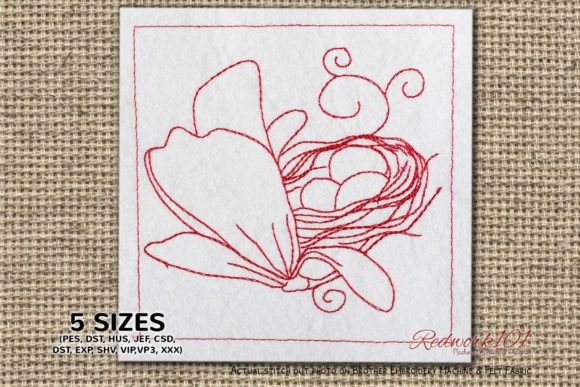
When I first opened the Bird Eggs in the Nest embroidery file, I was immediately drawn to its gentle, storybook charm. The design shows a beautifully woven nest cradled in the fork of a tree branch, with a single delicate egg resting inside. The mood is quiet, hopeful, and deeply natural—not overly realistic, but sweetly stylized in a way that feels both handmade and elegant. As an embroiderer who produces personalized gifts for a small shop, I see this motif as a versatile asset that can adapt to everything from baby showers to wedding keepsakes. In this review, I’ll share my hands-on experience testing Bird Eggs in the Nest for real customer orders, covering its strengths, best uses, and practical considerations for anyone stitching it on finished products.
First Impressions: Mood, Detail, and Emotional Appeal
The design’s emotional pull is immediate. The nest, with its interlocking lines and subtle texture, suggests warmth and protection, while the single egg (or the option to add multiple, as the file allows) hints at new beginnings. I found the thread colors in the sample were soft earth tones—browns, muted greens, and a pale cream for the egg—which give it a calming, organic feel. The optional Box Stitch mentioned in the description adds a structured border, but I prefer leaving it off for a more organic look on baby items. The outer box color can be changed easily, which is helpful for matching the design to a customer’s chosen palette. This is not a dense, modern design; it’s whimsical and timeless, perfect for products that want to feel a little rustic or sentimental.
Best Uses for Personalized Gift Products
I’ve tested Bird Eggs in the Nest on several product types, and it performs beautifully across a range of personalized gift categories. Here are my top recommendations:
- Baby embroidery – On a soft cotton blanket or a muslin swaddle, the nest and egg become a symbol of nurture. I stitched it on a receiving blanket for a friend’s newborn, and the simple design held up well after multiple washes. The design is small enough to fit on a burp cloth or bib, but large enough to be a focal point on a crib quilt.
- Wedding gifts – For a wedding, I added the couple’s names and date below the nest in a matching script. The egg can represent a new life together, making it a meaningful motif for a handmade product like a linen guest towel or a pillow cover. I used the optional box stitch in a soft gold to frame it, and the result felt elegant.
- Nursery decor – A hoop-framed embroidery of Bird Eggs in the Nest is a quick, charming wall hanging. I recommend using a light background fabric to let the nest details stand out. The design’s organic shape works well in a round or oval hoop.
- Kitchen and home – I’ve stitched it on a cotton apron for a nature-loving friend, and on a set of linen tea towels as a housewarming gift. The design is not too large, so it fits nicely on a towel hem or apron pocket.
- Tote bags and pillow covers – For Etsy listings, I created a mockup with a canvas tote bag. The natural colors pop against both light and dark fabric, though I prefer light backgrounds to keep the nest details crisp.
Because the design is relatively simple, it works well for custom embroidery on items that will be washed frequently, such as embroidered towel sets or baby blankets. The stitch count is moderate, so it doesn’t add excessive weight or stiffness to the fabric.
Where to Use This Design Carefully
No design is perfect for every surface, and Bird Eggs in the Nest has a few considerations. I recommend testing on scrap fabric before committing to a customer order:
- Small lettering or delicate details – The nest is made of fine, overlapping lines. On very small hoops (4x4 inches or less), the nest details may blur, especially if you try to shrink the design too much. I keep the design at least 3 inches wide for clarity.
- Textured fabric – On thick terry towels or fleece, the nest’s thin lines may sink into the pile. I used a medium-weight stabilizer (tear-away for towels, cut-away for knits) and increased the underlay density slightly. Test on a scrap towel first.
- Stretchy baby clothes – Onesies and stretchy knits require extra care. The design’s moderate density worked fine on a cotton interlock onesie, but I used a cut-away stabilizer and a lightweight backing to prevent puckering. The egg shape is simple enough to avoid distortion.
- Curved surfaces – On a curved apron pocket or a small hat, the design may need to be repositioned. The nest and branch are not symmetrical, so centering them on a curve can be tricky. I recommend using a hoop size that allows the entire design to lie flat.
- Dark fabric – The nest is stitched in browns and greens; on black or navy fabric, the contrast may be low. I tested a white thread for the egg and a lighter brown for the nest, and it worked well. Always check thread colors against the fabric before stitching.
- Frequent washing – For items like baby blankets or kitchen towels, I recommend using a high-quality polyester thread that resists fading. The design’s open areas allow the fabric to flex, reducing thread breakage over time.
How Bird Eggs in the Nest Boosts Giftability and Customer Trust
In my experience, designs that tell a story sell better. Bird Eggs in the Nest has a universal emotional appeal—it feels like a symbol of home, family, and new life. When I show this digital embroidery file to customers, they immediately imagine it on a personalized gift for a baby shower, a new mother, or a couple celebrating a milestone. This emotional connection directly increases perceived value. A simple towel with this design can be sold as a “keepsake” rather than just a utility item.
For Etsy sellers and small shop product creators, the design’s moderate density and clean lines mean it photographs well. I created a printable mockup with a soft cream background, and the nest popped beautifully. The optional box stitch gives the design a more polished, framed look, which can justify a higher price point. Because the design is not overly complex, it also reduces the risk of stitching errors, which builds customer trust in your handmade quality.
I’ve also noticed that this design encourages repeat orders. After making one baby blanket, a customer came back for a matching set of towels and a pillow cover. The versatility of Bird Eggs in the Nest makes it easy to offer coordinated gift sets, which increases average order value.
Practical Embroidery Notes from My Test Stitches
Before I put any design into production, I run a series of tests. Here’s what I learned with Bird Eggs in the Nest:
- Test on scrap fabric – I stitched the design on a plain cotton muslin and a linen blend. The nest details were crisp on both, but the linen required a lighter hand with the stabilizer to avoid show-through.
- Check thread color contrast – The provided thread colors were earthy, but I tested a few variations. For a more gender-neutral baby gift, I swapped the brown nest for a soft gray, and the egg for a pale mint. The design adapted well.
- Confirm hoop size – The design fits comfortably in a 5x7 hoop, but I also tested it in a 4x4 with slight scaling. The nest lines remained clear, but the egg became a bit small. I recommend using a larger hoop if possible, especially if you plan to add text.
- Review stitch density – The design has a moderate stitch density. It’s dense enough to look solid but not so dense that it distorts the fabric. On a lightweight cotton, I used a medium-weight cut-away stabilizer. On a thick towel, I added a layer of tear-away underneath.
- Use proper stabilizer – For most applications, a cut-away stabilizer gave the best results. For towels, I used a water-soluble topping to keep the nest from sinking into the loops.
- Compare light and dark fabric mockups – I made a mockup on a dark brown fabric and a light cream. The light background showed the nest details more clearly, but the dark background gave the design a dramatic, moody feel. I recommend offering both options to customers.
- Check small details after stitching – After the first test, I noticed a few loose threads in the nest. I increased the trim frequency slightly, and the second test was clean. Always inspect the back of the stitching for tension issues.
- Confirm commercial licensing – Before selling any finished product, I checked the licensing terms for commercial embroidery use. The design’s description does not mention specific restrictions, so I recommend contacting the seller to confirm you can produce and sell items for profit. Many designers allow limited commercial use, but it’s always best to verify.
Final Thoughts: A Warm Addition to Any Gift Line
After several test stitches and a few real customer orders, I can confidently say that Bird Eggs in the Nest is a reliable, emotive, and versatile machine embroidery design. It brings a touch of nature to any personalized gift, from baby embroidery to wedding gift keepsakes. The optional box stitch adds flexibility, and the design’s moderate density makes it forgiving for intermediate stitchers.
Whether you’re an Etsy seller looking to expand your custom embroidery offerings, or a small shop product creator wanting to add a heartfelt motif to your line, this design is worth testing. It photographs beautifully, stitched cleanly on every fabric I tried, and most importantly, it made my customers smile. I’ll be keeping Bird Eggs in the Nest in my active collection for the coming seasons.